Lawn Mowing and Edging: How Professionals Create a Perfect Finish
April 18, 2026
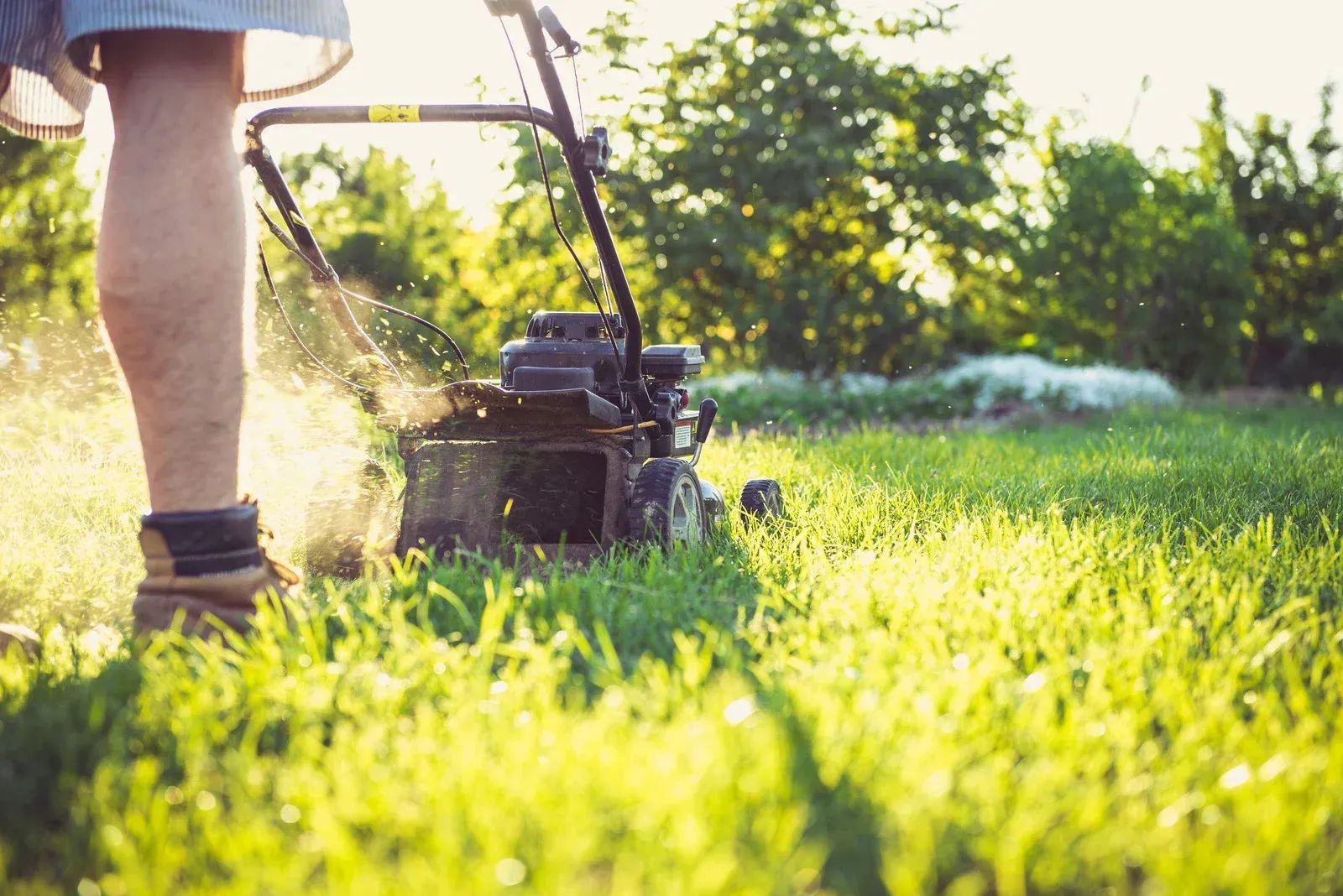
A well-maintained lawn is more than a visual asset; it reflects precision, consistency, and professional care. Lawn mowing and edging form the foundation of landscape maintenance, shaping how outdoor spaces are perceived and experienced. When executed correctly, these practices transform ordinary grass into a structured, clean, and visually balanced surface that enhances curb appeal and overall property value. In professional landscaping, every cut and edge plays a role in defining order, symmetry, and long-term lawn health. Proper maintenance also creates a healthier growing environment that supports stronger root systems and improved seasonal resilience.
Beyond aesthetics, mowing and edging influence turf density, growth direction, and resistance to weeds and pests. Professionals understand that achieving a flawless finish requires more than routine trimming; it demands technical skill, equipment mastery, and an understanding of grass biology. Factors such as blade sharpness, cutting height, and edge alignment directly affect the quality of the result. A refined lawn surface is achieved through disciplined methods rather than random maintenance habits. These practices also help maintain consistent moisture distribution and reduce stress on turf during changing weather conditions.
In modern landscaping, expectations for outdoor presentation continue to rise. Property owners seek uniform finishes that remain consistent throughout seasons. This demand has elevated mowing and edging from basic maintenance tasks into specialized services that require structured techniques, attention to detail, and a commitment to excellence in every pass across the lawn surface. As a result, professional standards continue to evolve, prioritizing long-term lawn performance along with visual perfection.
Precision Lawn Mowing Techniques
Cutting Height Strategy
Professional mowing begins with selecting the correct cutting height based on grass species and seasonal conditions. Cutting too low weakens root systems, while excessive height reduces visual uniformity. A balanced height promotes healthy photosynthesis and dense turf formation, creating a naturally even appearance over time consistently.
Overlap and Direction Control
Consistent overlap between mowing passes eliminates striping irregularities and missed patches. Alternating mowing directions each session prevents soil compaction and encourages upright grass growth. This method ensures that no section develops a leaning pattern, maintaining a smooth, uniform texture across the entire lawn surface with precision care.
Sharp Blade Efficiency
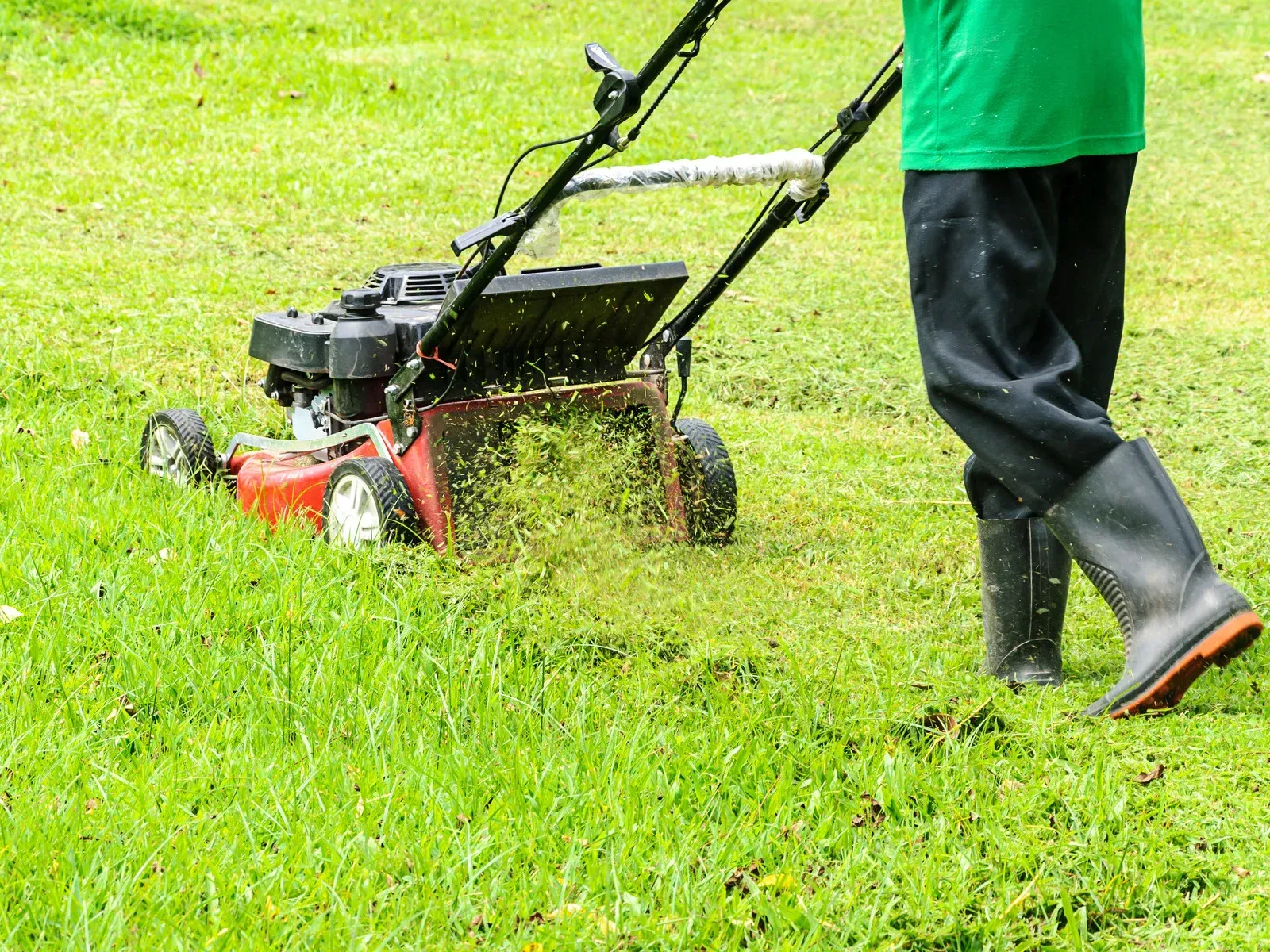
Blade sharpness directly impacts grass health. Clean cuts reduce fraying, which minimizes moisture loss and disease entry points. Dull blades tear grass edges, resulting in discoloration and uneven healing. Professionals inspect and sharpen blades regularly to maintain cutting precision and protect turf integrity throughout mowing operations.
Grass Clipping Management
Proper clipping distribution supports nutrient recycling and soil enrichment. Light clippings are often left to decompose naturally, while excessive buildup is removed to prevent suffocation. This balance maintains soil aeration while enhancing natural fertilization cycles, ensuring sustainable lawn health and consistent green surface quality overall improvement.
Professional Edging Methods
Defining Lawn Boundaries
Edging establishes a clear separation between grass and adjacent surfaces such as walkways, driveways, and garden beds. Clean boundaries create a structured appearance that visually organizes the landscape and enhances symmetry. This precision improves curb appeal and strengthens overall landscape definition with professional finishing standards applied.
Tool Precision and Control
Edging tools must be handled with controlled movement to maintain consistent depth and alignment. Uneven edging results in irregular borders that disrupt visual flow. Professionals maintain steady hand positioning to ensure straight, continuous lines along all perimeter zones for clean, sharp, and visually appealing results consistently.
Material Transition Awareness
Different landscape materials require adjusted edging approaches. Soil borders, stone paths, and concrete edges each respond differently to trimming pressure. Understanding these variations prevents overcutting and preserves structural integrity around hardscape features, ensuring smooth transitions and maintaining long lasting edge definition across varied outdoor surfaces.
Re-Edging Frequency Strategy
Regular re-edging prevents grass overgrowth into non-turf areas. Scheduling depends on growth rate, weather conditions, and irrigation levels. Frequent maintenance ensures that defined lines remain sharp and visually intentional throughout growth cycles, preserving structure, clarity, and a consistently refined landscape appearance over extended periods effectively.
Equipment Calibration and Maintenance
Mower Adjustment Precision
Proper mower calibration ensures consistent cutting across uneven terrain. Deck height settings must be adjusted to match lawn contours, preventing scalping on raised areas and uneven trimming in depressions. This calibration supports a uniform finish across varying ground levels, improving overall lawn appearance and surface consistency.
Blade Maintenance Cycles
Routine sharpening and balancing of blades reduce vibration and improve cutting accuracy. Balanced blades also protect engine performance and extend equipment lifespan. Regular maintenance schedules help avoid performance decline during peak mowing seasons, ensuring smooth operation and consistently clean grass cutting results across all sessions effectively.
Fuel and Engine Efficiency
Efficient engine performance contributes to consistent mowing speed and cutting strength. Clean air filters, fresh fuel, and regular oil checks maintain operational stability. Equipment reliability directly influences the quality of lawn finishing results, ensuring uninterrupted workflow and steady performance during demanding landscape maintenance tasks daily.
Safety and Operational Checks
Pre-operation inspections identify loose components, worn belts, or damaged parts. Addressing these issues before mowing prevents interruptions and ensures smooth workflow. Equipment safety directly supports precision and consistency in lawn outcomes, reducing risks and maintaining dependable performance across all mowing and edging activities performed.
Lawn Health and Growth Patterns
Understanding Growth Cycles
Grass growth varies based on temperature, sunlight, and moisture levels. Professionals adjust mowing frequency according to these cycles to prevent stress and maintain consistent appearance. Growth awareness ensures timing aligns with natural development patterns, supporting balanced turf health and predictable lawn performance across seasonal changes.
Root System Strengthening
Proper mowing techniques encourage deeper root development. When grass is cut correctly, energy is redirected toward root expansion rather than excessive blade growth. Strong roots improve drought resistance and long term lawn stability, creating healthier turf structure and improved resilience against environmental stress conditions effectively.
Weed and Pest Resistance
A dense, evenly cut lawn reduces opportunities for weed invasion. Consistent mowing disrupts weed germination cycles, while healthy turf limits pest habitation. Balanced maintenance supports natural defense mechanisms within the lawn ecosystem, promoting stronger grass coverage and reducing unwanted growth across maintained outdoor surfaces consistently.
Soil Interaction and Nutrient Flow
Mowing practices influence how nutrients circulate through soil layers. Clippings decompose into organic matter, enriching soil structure and improving moisture retention. This natural cycle enhances long term lawn vitality and resilience, supporting sustainable growth and maintaining nutrient balance within the soil environment effectively over time.
Seasonal Adjustments and Quality Control
Summer Heat Adaptations
During high temperatures, mowing height is typically increased to protect soil moisture. Longer blades provide shade to root systems, reducing evaporation and heat stress. Adjusted mowing frequency also prevents excessive strain on turf, ensuring lawn remains healthy, hydrated, and visually consistent throughout peak summer conditions.
Winter Growth Management
In colder seasons, grass growth slows significantly. Reduced mowing frequency prevents unnecessary stress while maintaining a clean appearance. Edging remains important to preserve structural definition during dormancy periods, ensuring landscape retains its shape and clarity even when biological activity is naturally minimized outdoors effectively.
Rain and Moisture Control
Wet conditions require careful mowing adjustments to prevent soil compaction and uneven cutting. Avoiding overly saturated lawns ensures clean finishes and protects turf structure from damage caused by heavy equipment. Proper timing and moisture awareness help maintain lawn integrity and prevent long term surface deterioration issues.
Quality Inspection Standards
Professional lawn care includes final inspection after each mowing and edging session. This step identifies inconsistencies, missed sections, or uneven borders. Continuous evaluation ensures that every cut meets a defined quality benchmark before completion, supporting consistent results and maintaining high standards of landscape presentation overall.
Reliable Edging Standards Defining Clean Property Boundaries
Lawn mowing and edging require structured methods that combine precision, timing, and technical understanding. Proper execution enhances visual appeal while supporting long-term turf health. From blade control to seasonal adjustments, each step contributes to a refined and balanced outdoor surface. Consistency remains the key factor in achieving professional-grade results across varying conditions. Attention to detail ensures that lawns maintain clean lines, even growth, and strong structural integrity throughout the year. Careful planning also helps prevent uneven wear patterns and supports healthier regrowth cycles across every section of the turf.
At J Christie Landscape, every lawn is treated as a detailed craft where precision mowing and expert edging define the final presentation. With 14 years of experience serving Litchfield Park and Goodyear, Arizona, our work reflects a deep understanding of turf behavior, seasonal conditions, and landscape balance. Each project is approached with a focus on delivering clean finishes that enhance both property aesthetics and long-term lawn health. Our methods are built on disciplined workmanship and consistent attention to detail across every service visit.
We take pride in delivering dependable landscape maintenance that reflects professionalism and reliability. Our experience allows us to adapt to diverse lawn types and environmental challenges while maintaining high-quality standards. By combining technical skill with consistent execution, we ensure that every lawn reflects a polished, well-maintained appearance that stands out in any neighborhood. Continuous improvement and field expertise help us maintain lasting results that clients can depend on throughout the year.