Tired of Mowing a Thirsty Lawn? How a Desert Conversion Cuts Water and Work
September 18, 2026
Quick Answer: A traditional lawn in the West Valley typically needs roughly twice the water of a desert-adapted landscape covering the same ground, and that gap widens every week the mower comes out. Converting turf to a desert landscape replaces a plant that fights the climate with plants that were built for it, cutting the irrigation schedule, removing the weekly mowing cycle, and trading fertilizer and reseeding for a few maintenance visits a year. The work isn't instant: removal, soil prep, an irrigation retrofit, and a first summer of careful establishment watering all come before the low-maintenance payoff. Done right, though, the yard stops fighting the desert and starts working with it.
You mow on Saturday morning before the heat sets in, and by Wednesday the grass already looks like it needs it again. The sprinklers run most mornings, the water bill keeps climbing through the summer, and there's still a dry, straw-colored patch near the block wall that won't green up no matter how long you run that zone. It's not that you're doing anything wrong. It's that turfgrass was never built for what a West Valley summer asks of it, and every gallon and every Saturday you're putting in is you compensating for that mismatch, one week at a time.
Why Turf Keeps Losing the Water and Time Battle Here
Grass loses water constantly through its leaf surface, a process that speeds up fast as temperatures climb and humidity drops, exactly the conditions the West Valley delivers for months at a stretch. Desert-adapted plants evolved smaller leaves, waxy coatings, and deep or wide-spreading root systems specifically to slow that water loss down. A lawn has none of those adaptations, so it depends entirely on the irrigation system running enough, often enough, to replace what the heat is pulling out of it.
The City of Mesa's water conservation program puts a number on that gap: roughly 35,000 gallons a year are needed to properly water 1,000 square feet of turf, compared to about 15,000 gallons for the same footprint planted with low-water-use desert plants. That's a reduction of more than half once the desert planting is established, and it's the reason a lawn conversion shows up on the water bill almost immediately, not just eventually.
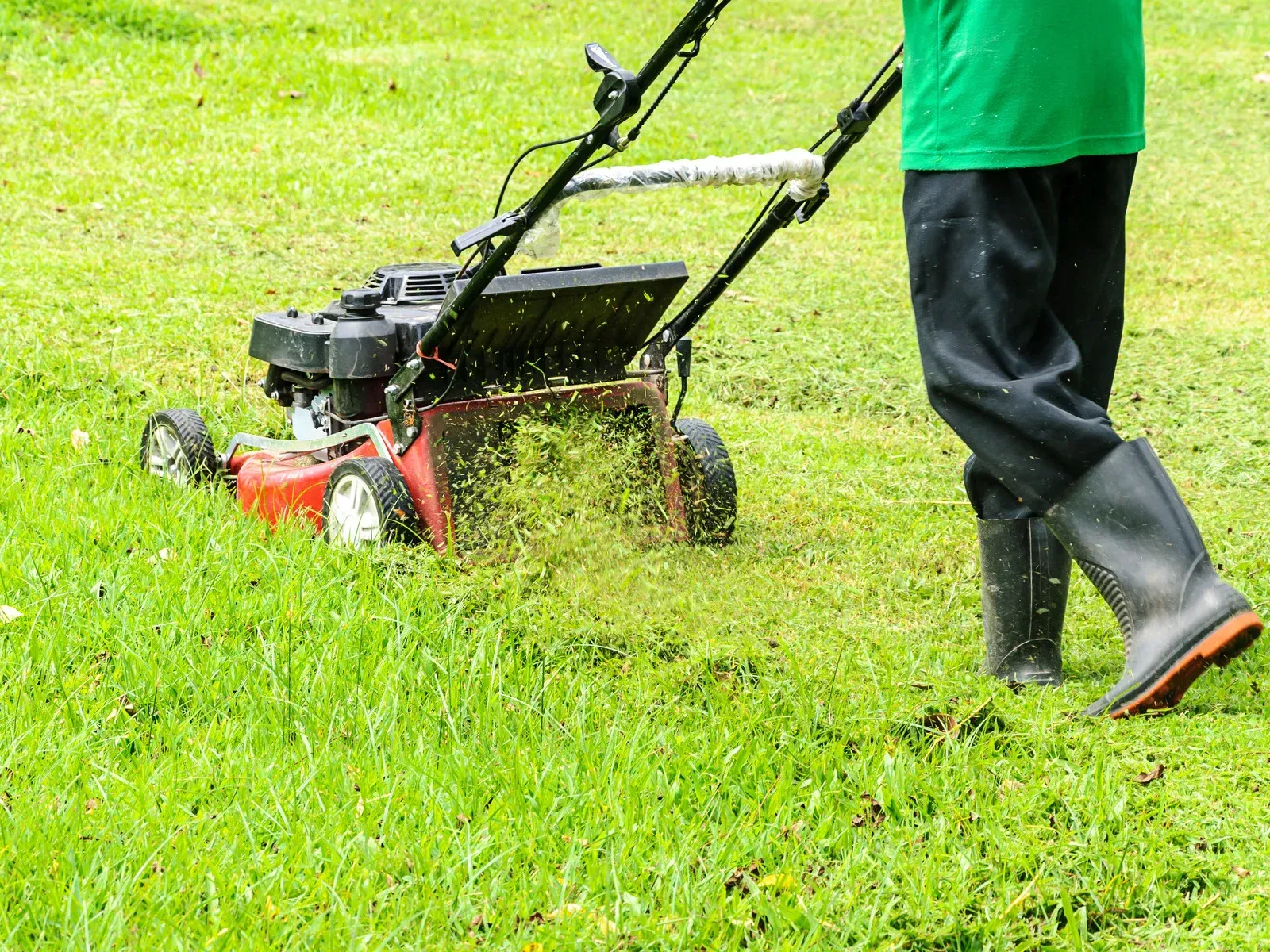
The time cost compounds the water cost. A lawn needs mowing on a schedule regardless of how the yard is used, needs edging to keep it looking intentional rather than ragged, needs fertilizer to stay green through the growing season, and often needs overseeding in fall to avoid the brown dormant look through winter. None of that is optional maintenance for a lawn. It's what keeps a lawn from looking neglected. Desert-adapted planting doesn't carry that same standing obligation.
What a Desert Conversion Actually Changes
Converting a lawn doesn't mean replacing green with gravel and calling it done. The University of Arizona Cooperative Extension and the Arizona Municipal Water Users Association both frame water-wise landscaping around a small set of principles, and the one that matters most for a lawn conversion is designing the yard in water-use zones rather than treating the whole space the same way.
A mini-oasis zone close to the house can still carry a small, manageable patch of turf or higher-water plantings, right where the family actually uses it, watered on a tighter schedule because it's a small, defined area rather than the whole yard.
A transition zone moves outward from there with moderate to low-water shrubs, ornamental trees, and perennials, spaced and grouped so they can eventually run on far less frequent watering once their roots are established.
A natural zone at the outer edges of the property can carry plants adapted enough to survive largely on the West Valley's own monsoon and winter rainfall once they're past their first year or two.
That layered approach is why a well-designed conversion doesn't look like a yard that gave up. Palo verde trees for structure and shade, agave and ocotillo for form, desert marigold and brittlebush for seasonal color, all placed according to how much water each one actually needs, produce a yard with more visual variety than a flat lawn ever offered, not less.
Tip: Before deciding how much turf to remove, walk the yard and note where it's actually used, the play area, the dog's path to the gate, the spot where the kids set up a slip-and-slide twice a summer. A small, well-placed turf zone in a heavily used spot is a completely reasonable part of a desert conversion. The water and mowing savings come from everywhere else.
The Real Difference in Weekly Work
Removing turf changes the maintenance rhythm more than it changes the visual style of the yard. A lawn asks for something almost every week during the growing season: mowing, edging, watching for irregular watering that leaves patches thin, and dealing with weeds that move in through bare or stressed turf. A desert-adapted landscape asks for something a few times a year instead.
Established desert plants generally need pruning on a seasonal basis rather than weekly attention, mulch layers topped off periodically rather than replaced, and an irrigation system checked and adjusted with the seasons rather than run on the same cycle year-round. Extension guidance on desert-adapted plantings puts recommended upkeep for an established xeriscape at roughly once every four to six weeks, covering pruning, irrigation checks, and general cleanup, a fraction of what a lawn on a weekly mowing cycle demands.
That shift matters most in the deep summer months, when a lawn's water needs peak at the exact same time mowing in 105-plus-degree heat turns miserable. A desert landscape's lower-maintenance months line up with the hardest months to be working outside, which is precisely when the reduced workload pays off the most.
What the Conversion Process Actually Involves
Turning an existing lawn into a desert landscape is a full project, not a weekend swap. Skipping steps to get to the finished look faster is usually what causes a conversion to underperform in its first year.
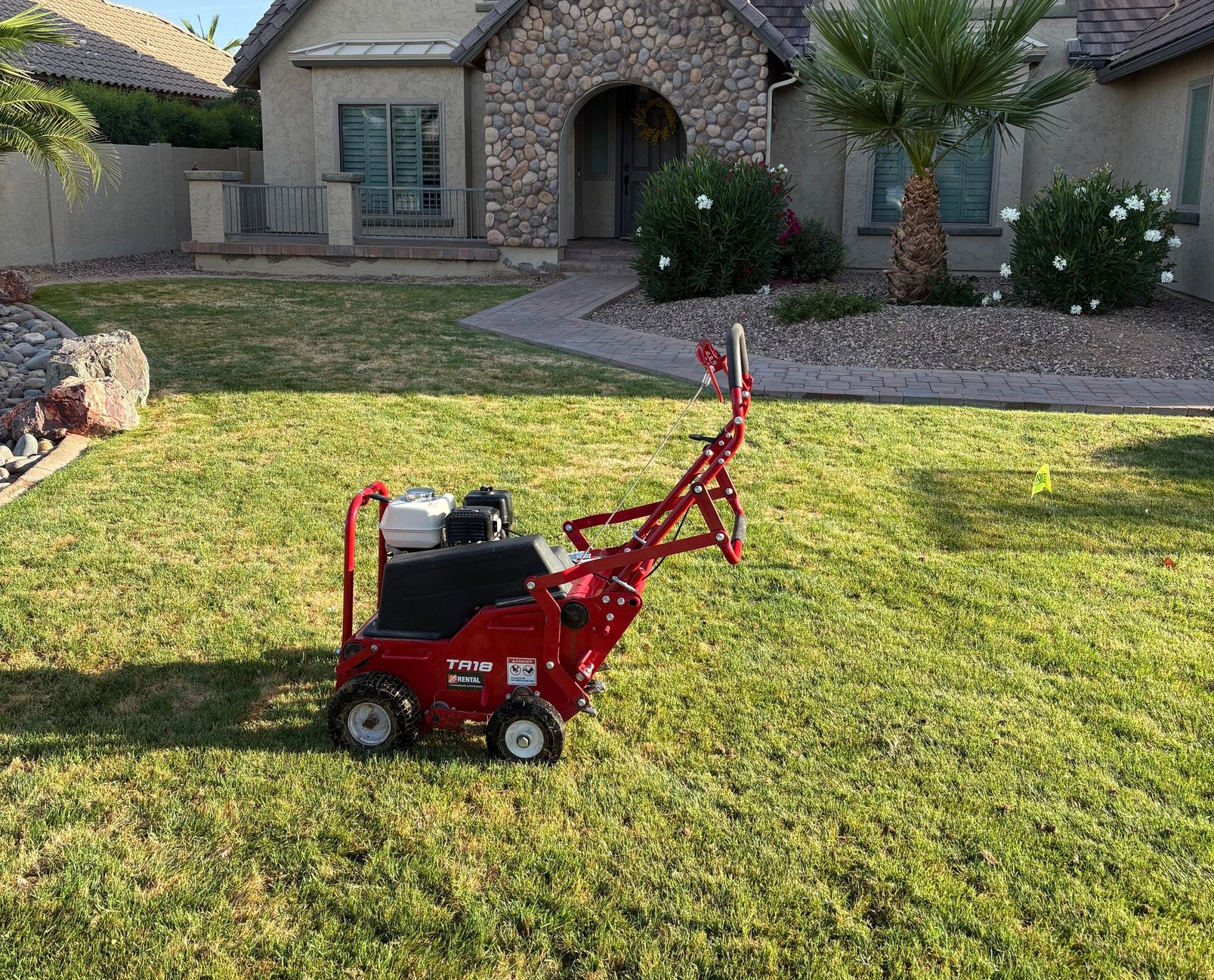
Removing the old turf completely matters more than it seems. Grass left to die under sheet mulch or smothered rather than physically removed can regrow through gaps in gravel or decomposed granite, especially bermuda, which spreads through underground rhizomes that survive being cut off from sunlight far longer than most homeowners expect.
Soil grading and drainage need attention before anything gets planted. West Valley soil frequently includes caliche, a dense, cemented layer that blocks root growth and drainage if it sits close to the surface. A conversion that skips checking for it can end up with expensive-to-fix drainage problems once monsoon rain has nowhere to go.
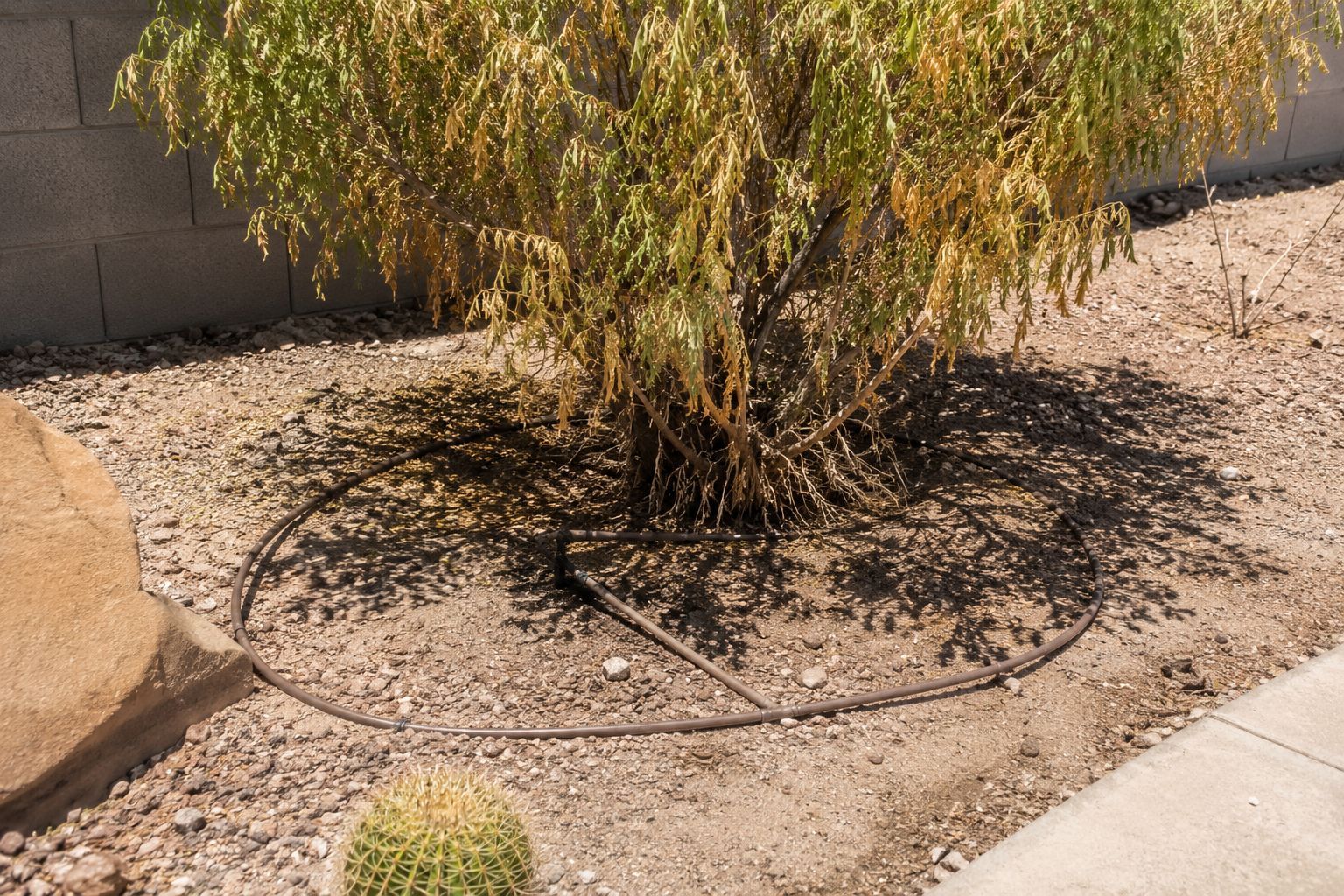
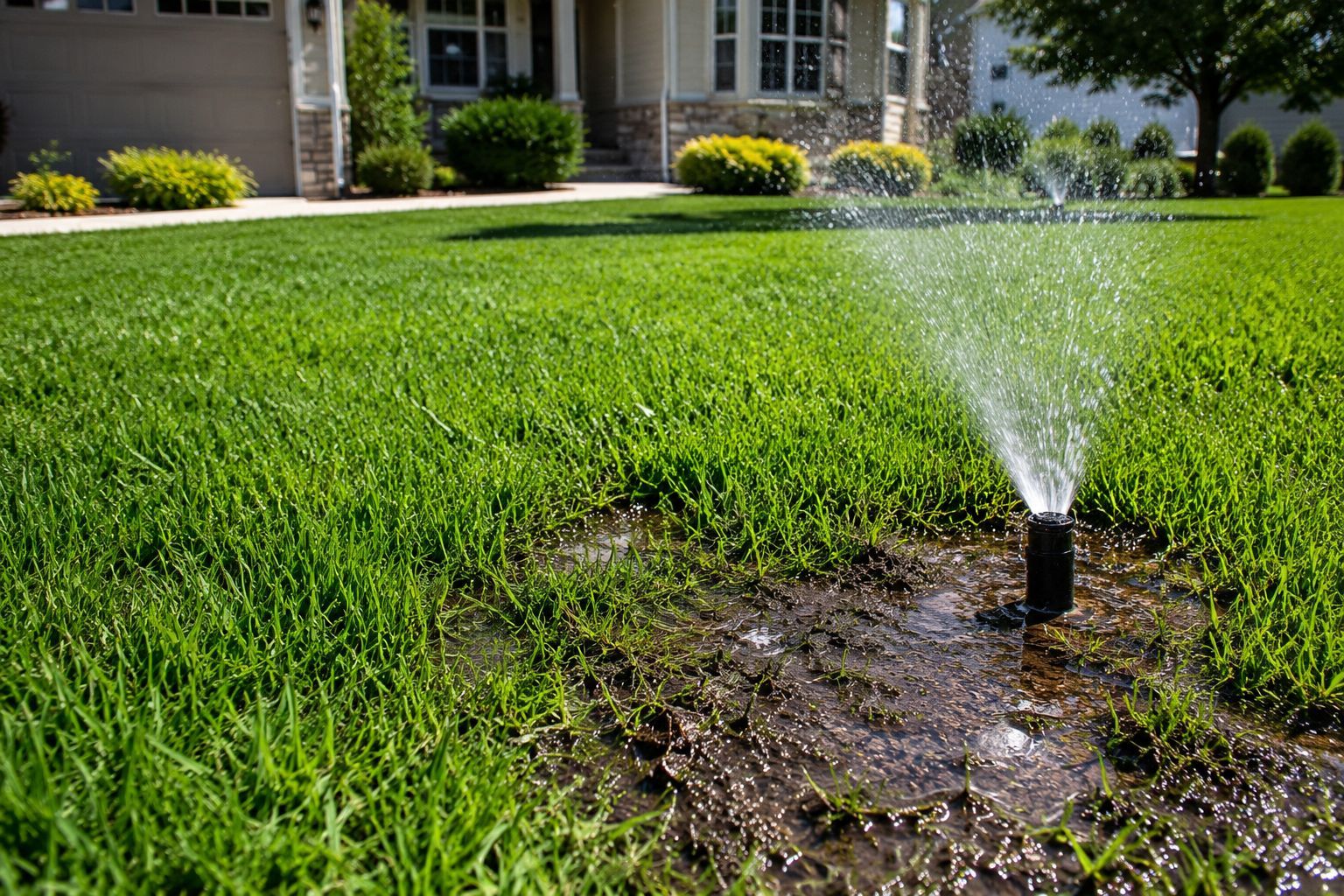
The irrigation system gets rebuilt around the new planting, not layered on top of the old one. Turf sprinkler heads spray broadly across a flat area; desert plants need targeted drip emitters placed at each plant's root zone, on separate valves grouped by water need so a young palo verde and an established agave aren't stuck on the same schedule.
Mulch depth is a real specification, not decoration.
Extension guidance calls for two to four inches of rock or organic mulch across planted areas, deep enough to meaningfully reduce evaporation and suppress weeds without smothering the plants underneath it.
The First Year Determines Whether It Thrives
New desert-adapted plants aren't drought tolerant on day one. Establishment is a real transition period, typically running through the first full year and especially the first summer, during which even the toughest desert species need consistent, deep watering while their root systems extend out to where they'll eventually be able to fend for themselves. Extension guidance on watering depth is specific here: water should soak to about one foot deep for flowering perennials, two feet for shrubs, and a full three feet for trees, checked by seeing whether a thin metal rod can still be pushed into the soil that deep without resistance.
Warning: Don't cut a new planting's water back to the low, mature schedule just because it's labeled drought tolerant on the nursery tag. Young roots haven't reached the depth or spread they'll need yet, and pulling water too early during that first Arizona summer is one of the most common reasons a new desert conversion looks patchy, or loses plants outright, a year in. The savings are real, but they arrive on the plant's schedule, not the calendar's.
Monsoon season adds its own wrinkle. New plantings can get a real boost from summer storms, but heavy, fast rainfall on freshly graded soil without proper drainage in place can also wash out young root systems before they've anchored. That's part of why the grading and drainage work earlier in the process isn't optional, even on a yard that looks flat enough to not need it..
Frequently Asked Questions
Does a desert conversion mean removing all the grass?
No. Most successful conversions keep a small, deliberately placed turf zone where the yard actually gets used for play or pets, while the rest shifts to desert-adapted plants grouped into water-use zones based on need.
How long before a new desert landscape needs less water than the old lawn did?
Most water savings build gradually through the first year as roots establish, becoming clearly noticeable by the second growing season. That first summer still needs regular, deep watering to get new plants settled in well.
Will the yard look bare right after the grass comes out?
It can look sparse for the first several months while young plants are still small and filling in, but a well-planned layout already accounts for their mature size, spread, and eventual canopy shape and shade.
What happens to bermuda grass that isn't fully removed?
Bermuda spreads through underground rhizomes and can push back up through gravel or decomposed granite months later, especially along edges where removal was incomplete the first time around. Full removal, not smothering, prevents ongoing regrowth.
Can a desert conversion handle heavy monsoon rain?
Yes, as long as grading and drainage are addressed during the conversion. A yard reshaped to direct stormwater toward planted zones instead of pooling near the house turns monsoon rain into a genuine resource here.
Does converting mean giving up shade in the yard?
Not at all. Palo verde, desert willow, and other desert-adapted trees provide real canopy shade once established, and since they aren't competing with turf for water on the same schedule, they often establish much faster.
The Yard That Finally Fits Its Climate
A lawn that needs mowing every week and watering nearly every day was never a sign of doing something wrong. It's a plant that was asked to survive a climate it was never built for, and no amount of extra effort changes that basic mismatch. Once turf gives way to desert-adapted zones, sized and grouped by how much water each plant actually needs, the yard stops demanding constant upkeep and starts settling into a rhythm the West Valley's climate can actually support.
J Christie Landscape
has spent 14
years turning lawns like this into desert landscapes across Litchfield Park and Goodyear, AZ, working through the caliche, the irrigation retrofits, and the water-use zoning that make a conversion hold up past its first summer. The plants that belong in this climate take over the work turf was never suited to handle, and the yard settles into something closer to how the desert around it has always managed to thrive.