Landscape Maintenance Tips to Protect Your Investment
March 16, 2026
Investing in a well-designed landscape is more than a matter of curb appeal—it’s a long-term commitment to the value, functionality, and aesthetics of your property. Beautiful lawns, thriving trees, and vibrant flowerbeds not only enhance the visual appeal of your home or commercial space but also increase property value and create a welcoming environment. However, a landscape is a living system that requires consistent care, attention, and proactive maintenance. Without proper management, even the most thoughtfully designed outdoor spaces can quickly lose their luster, leading to costly repairs, plant loss, and structural damage to features such as patios, walkways, and irrigation systems.
Proper landscape maintenance is both an art and a science. It involves understanding the specific needs of different plants, the seasonal cycles of growth, and the environmental factors that influence health and longevity. From soil management to pest control, irrigation optimization to pruning strategies, every element plays a crucial role in safeguarding your investment. In this article, we’ll provide actionable tips and expert insights to help property owners protect their landscapes effectively. By adopting proven practices and preventive care techniques, you can ensure that your outdoor spaces remain vibrant, functional, and valuable for years to come.
Regular Lawn and Turf Care
Mowing and Trimming Techniques
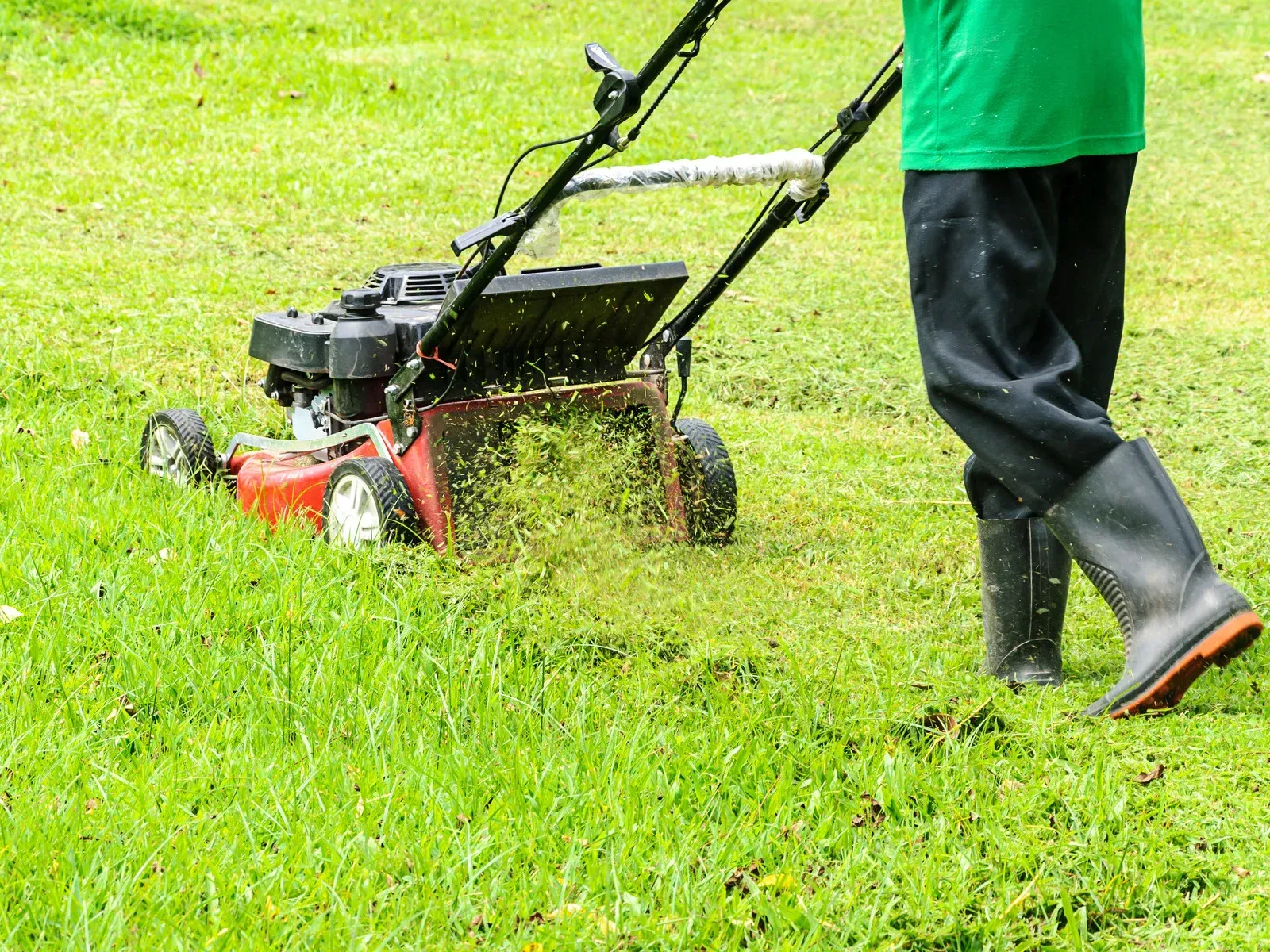
One of the most fundamental aspects of landscape maintenance is proper lawn care. Regular mowing ensures that grass grows evenly, encourages strong root development, and prevents weeds from taking hold. The key is not only frequency but also cutting height. Most grasses thrive when cut to a height of 2.5 to 3.5 inches, which allows for optimal photosynthesis and moisture retention.
Aeration and Soil Health
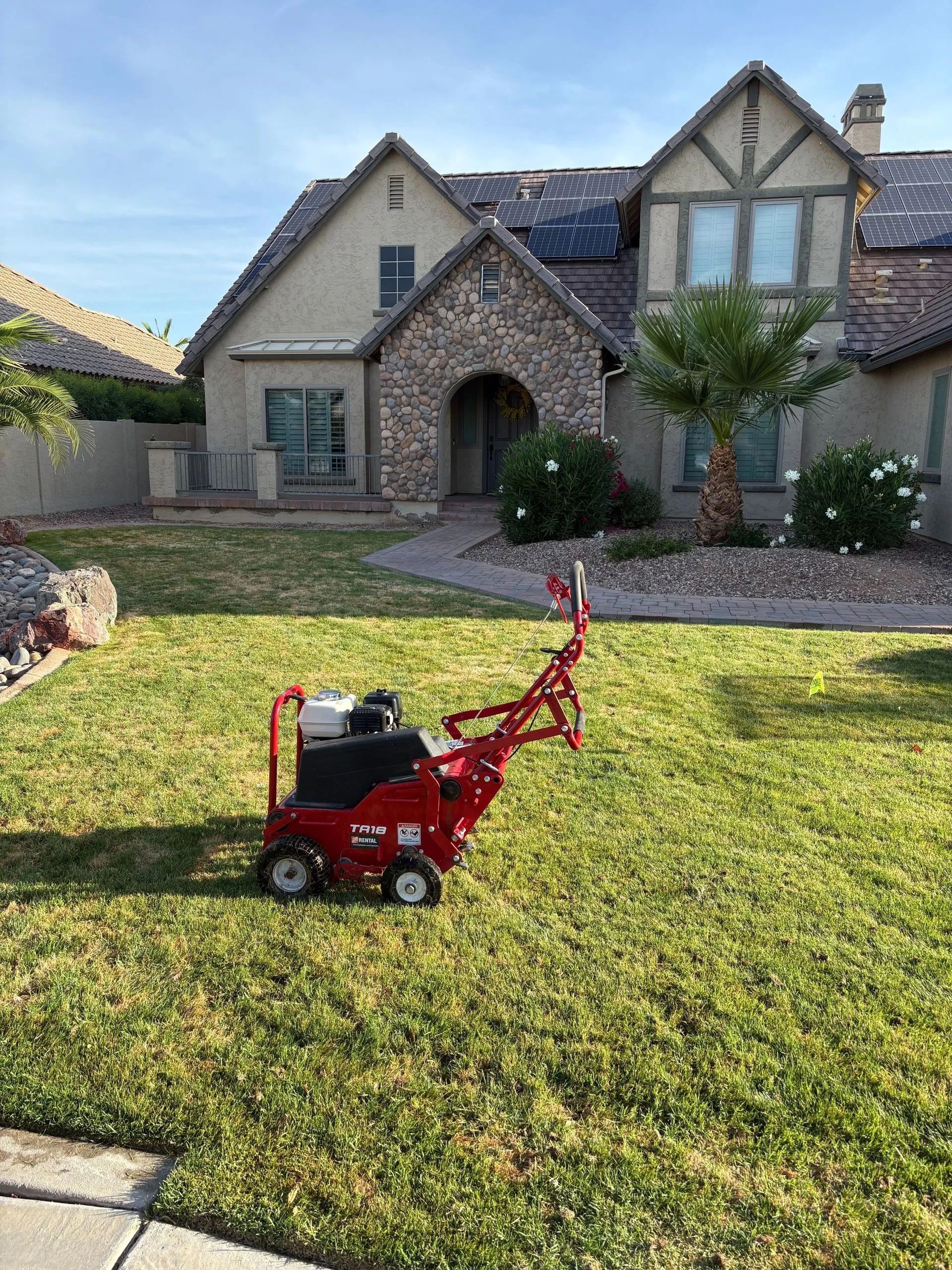
Aeration is a critical practice often overlooked in lawn maintenance. Over time, soil can become compacted, reducing oxygen flow to roots and limiting nutrient absorption. Using a core aerator helps create small holes in the soil, allowing air, water, and nutrients to penetrate deeply. Complement aeration with seasonal fertilization to maintain nutrient-rich soil, which supports healthy grass growth and helps prevent patches or brown spots.
Weed and Pest Control
Weeds and pests are persistent threats to turf health. Applying pre-emergent herbicides in early spring can prevent weed seeds from germinating, while spot-treating existing weeds minimizes chemical exposure and damage to desirable plants. Similarly, integrated pest management techniques—such as identifying specific pests, encouraging beneficial insects, and using targeted treatments—can reduce infestations without harming the environment.
Tree and Shrub Maintenance
Pruning and Trimming for Longevity
Trees and shrubs are long-term investments in any landscape, but improper pruning can weaken their structure or make them highly susceptible to disease over time. Regularly removing dead or diseased branches, thinning dense canopies, and shaping growth improves air circulation, encourages healthy growth, and maintains aesthetic appeal throughout the seasons.
Mulching and Soil Care
Mulching around the base of trees and shrubs offers multiple benefits for soil and plant health. It conserves soil moisture, moderates temperature fluctuations, prevents weed growth, and gradually enriches soil as it decomposes naturally. Applying a 2-4 inch layer of organic mulch, while keeping it a few inches away from the trunk to prevent rot, creates a protective barrier that supports healthy root systems and overall plant vitality effectively.
Disease Prevention and Monitoring
Regular inspection for signs of disease, such as discoloration, leaf drop, or abnormal growth patterns, is vital for early intervention before serious damage occurs. Implementing preventative treatments, maintaining proper spacing for airflow, and ensuring correct irrigation practices reduce the risk of fungal infections, root rot, and pest damage significantly.
Efficient Irrigation and Water Management
Choosing the Right Irrigation System
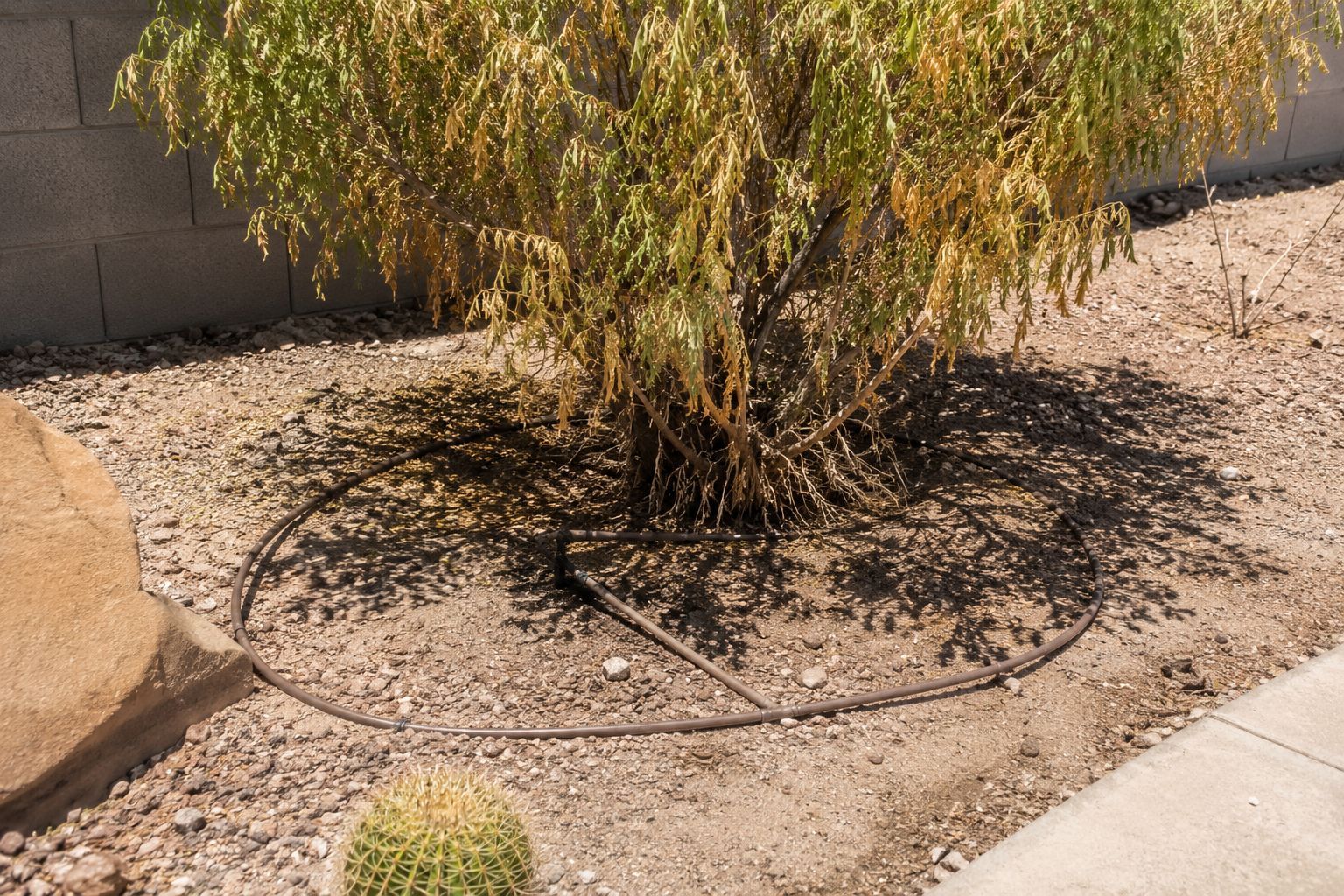
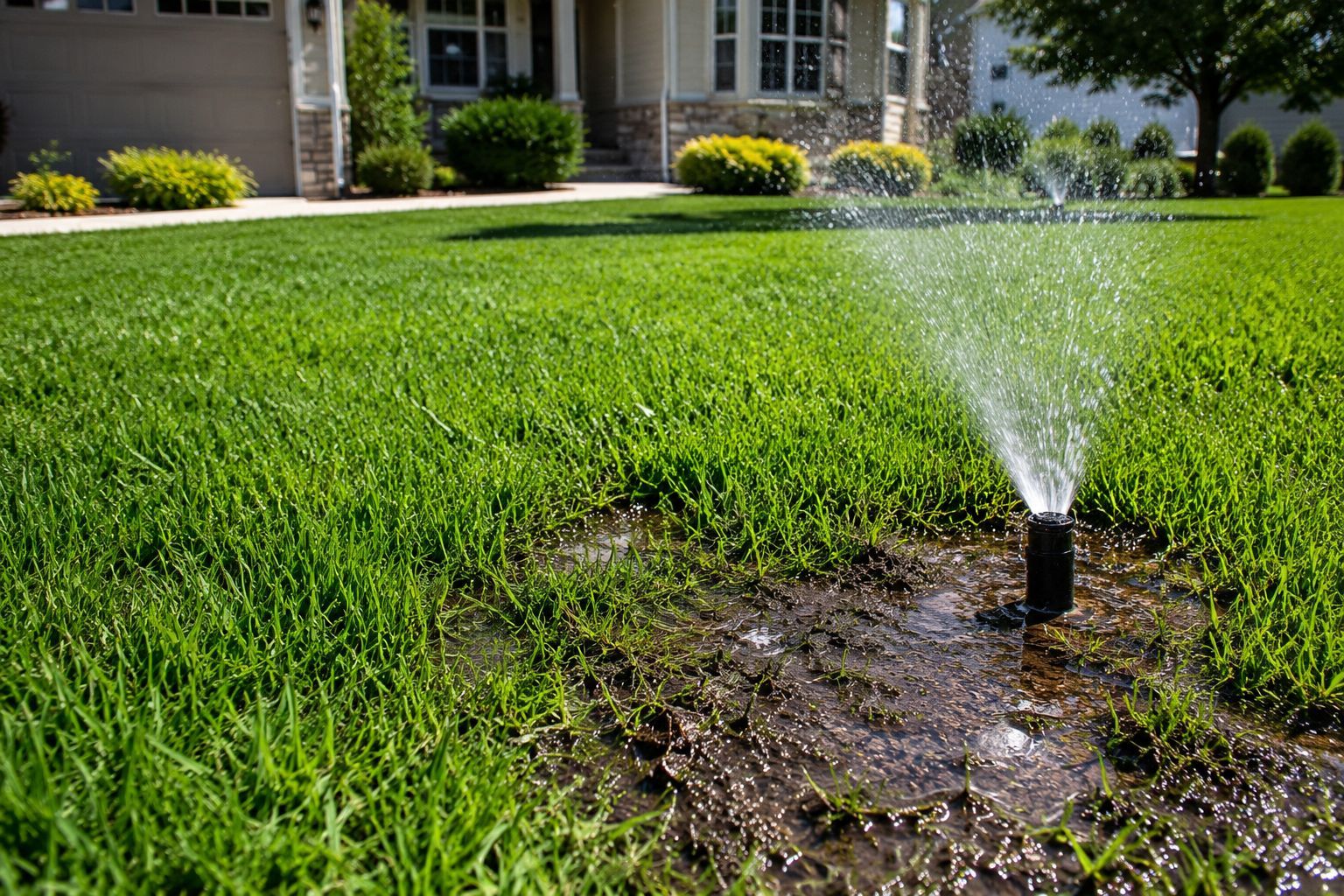
Water is a critical resource for landscape health, and efficient irrigation prevents both overwatering and underwatering effectively. Automated drip systems, smart sprinklers, or timed irrigation schedules allow precise delivery of water directly to plant roots, reducing waste and supporting consistent growth throughout the property. Selecting the right system for your soil type, plant species, and climate conditions ensures optimal hydration without creating runoff, soil erosion, or waterlogging problems that could affect overall landscape health.
Seasonal Adjustments and Monitoring
Irrigation needs vary throughout the year depending on temperature, rainfall, and plant maturity. Adjusting watering frequency based on seasonal rainfall, soil moisture levels, and temperature fluctuations prevents stress on plants and conserves essential water resources efficiently. Using moisture sensors or weather-based irrigation controllers provides real-time insights, enabling property owners to make informed adjustments and maintain optimal soil hydration consistently.
Water Conservation Strategies
In addition to proper irrigation, adopting water conservation strategies can protect both the landscape and the surrounding environment significantly. Mulching, grouping plants with similar water requirements, and using drought-tolerant species in certain areas reduce overall water demand while promoting sustainability. These measures not only maintain plant health and growth but also decrease utility costs and encourage environmentally responsible landscaping practices effectively.
Seasonal and Preventative Care
Spring and Summer Maintenance
Spring is the ideal time for deep cleaning, fertilization, and new plantings to promote optimal growth throughout the year. Removing winter debris, testing soil pH, and applying appropriate fertilizers encourages vigorous growth and strengthens plant resilience against pests and weather. During summer, maintaining consistent irrigation, monitoring for pests, and performing periodic mowing or trimming keeps the landscape resilient under heat and stress conditions, supporting long-term sustainability and visual appeal.
Fall and Winter Preparation
As temperatures drop, fall maintenance focuses on preparing the landscape for dormancy during the colder months. Raking leaves, pruning dead growth, and applying winter mulch protect plants from frost, soil erosion, and early freezes. Winterizing irrigation systems prevents pipe damage, and covering sensitive plants ensures survival through cold snaps, snow accumulation, or extreme weather fluctuations, maintaining overall landscape health and longevity.
Preventative Measures
Preventative care minimizes long-term repair costs and preserves the landscape’s overall value significantly. Regular inspections for pest infestations, soil nutrient deficiencies, and structural issues in hardscape elements allow for early intervention before serious damage occurs. Implementing integrated maintenance schedules and documenting care routines ensures that no aspect of the landscape is overlooked, creating a comprehensive plan for sustained property health and appeal.
Hardscape Maintenance and Protection
Cleaning and Repairing Pathways
Hardscape elements, such as patios, walkways, retaining walls, and driveways, are integral to a functional and attractive landscape over the long term. Routine cleaning, pressure washing, and debris removal maintain their appearance and prevent staining or surface damage effectively. Repairing cracks, sealing stone or concrete surfaces, and addressing drainage issues proactively prevents costly structural damage while ensuring safety, aesthetics, and long-lasting performance for years to come.
Protecting Outdoor Features
Water features, fountains, and lighting systems require specialized attention to maintain efficiency, safety, and aesthetic appeal throughout the year. Cleaning filters, checking pumps, and inspecting electrical connections prevent malfunctions and extend the life of these installations substantially. Similarly, winterizing decorative elements ensures they survive seasonal temperature extremes, ice accumulation, and other environmental stressors without sustaining damage.
Sustainable Hardscape Practices
Incorporating permeable materials and proper drainage into hardscape design supports environmental health while reducing long-term maintenance demands. Sustainable practices, such as planting ground cover to prevent soil erosion or using durable, weather-resistant materials, contribute to long-term landscape resilience and minimize repair needs. These strategies also enhance overall property value while supporting environmentally responsible landscaping practices effectively.
Expert Tips for Long-Term Landscape Investment
Strategic Plant Selection
Choosing the right plants for your climate, soil type, and intended use reduces ongoing maintenance requirements and increases survival rates substantially. Native plants, drought-resistant species, and disease-tolerant varieties are easier to care for and provide long-lasting value over time. Grouping plants with similar requirements simplifies irrigation, fertilization schedules, and seasonal care, promoting consistent growth and overall landscape health efficiently.
Integrated Pest and Nutrient Management
Maintaining a balanced ecosystem within the landscape encourages beneficial insects and microorganisms while suppressing pests naturally and effectively. Soil testing, targeted fertilization, and biological controls reduce chemical dependency and enhance plant health significantly. These proactive strategies minimize plant damage, prevent nutrient deficiencies, and ensure long-term vitality for both ornamental and functional landscaping elements.
Routine Monitoring and Professional Guidance
Even the most dedicated property owners benefit from professional guidance for optimal landscape care and sustained property value. Landscape experts can identify subtle signs of stress, advise on pruning techniques, and optimize irrigation and fertilization schedules for maximum efficiency. Regular assessments prevent minor issues from escalating into costly repairs, protect your overall investment, and ensure a consistently healthy, thriving outdoor environment.
Trusted Professionals Enhancing Beauty and Longevity Outdoors
Maintaining a thriving landscape requires consistent attention, seasonal adjustments, and strategic planning. From regular lawn care and pruning to efficient irrigation and hardscape protection, every element contributes to the overall health and longevity of your property’s outdoor spaces. By implementing these landscape maintenance tips, property owners can preserve aesthetics, reduce costly repairs, and maximize the return on their investment.
At J Christie Landscape, we bring 14
years of experience serving Litchfield Park and Goodyear, Arizona, homeowners and businesses. Our team of expert landscapers understands the nuances of plant health, irrigation efficiency, and sustainable landscape design. We provide customized maintenance plans tailored to each property’s unique needs, ensuring that every lawn, shrub, tree, and hardscape feature thrives. Committed to professionalism, quality workmanship, and client satisfaction, we help property owners protect and enhance their investments. Partnering with us guarantees expert guidance, reliable service, and a landscape that remains vibrant, healthy, and valuable year after year.