Sod Installation vs. Lawn Seeding: Which Is Right for Your Yard?
May 11, 2026
Choosing between sod installation and lawn seeding is one of the most important decisions in building a healthy, attractive lawn. Both methods aim to create green, functional outdoor spaces, yet each follows a different process, timeline, and maintenance approach. Property owners often struggle to determine which option delivers better long-term value, faster results, and stronger durability under local climate conditions. Understanding these differences is essential for making an informed landscaping investment that aligns with expectations, budget, and seasonal timing. Additional factors such as soil preparation, irrigation planning, and seasonal weather patterns also play a major role in determining overall success. A thoughtful evaluation at the beginning helps avoid costly corrections later and ensures consistent lawn performance over time.
Modern landscaping practices have refined both techniques, making them more efficient and accessible than ever. Sod installation provides an instant lawn with established grass, while lawn seeding offers a gradual, cost-effective way to grow turf from scratch. Each method carries unique advantages and limitations depending on soil quality, water availability, and intended usage of the lawn. Selecting the right approach is not just about appearance, but also about sustainability, maintenance effort, and environmental adaptability. A well-planned decision ensures stronger root development, improved curb appeal, and long-lasting lawn health. Advances in turf science and grass varieties have further improved success rates for both options, allowing better customization based on regional climate and property needs.
This guide explores sod installation vs lawn seeding in detail, helping clarify which method best suits different yard conditions and landscaping goals.
Understanding Sod Installation and Lawn Seeding Methods
What Sod Installation Involves
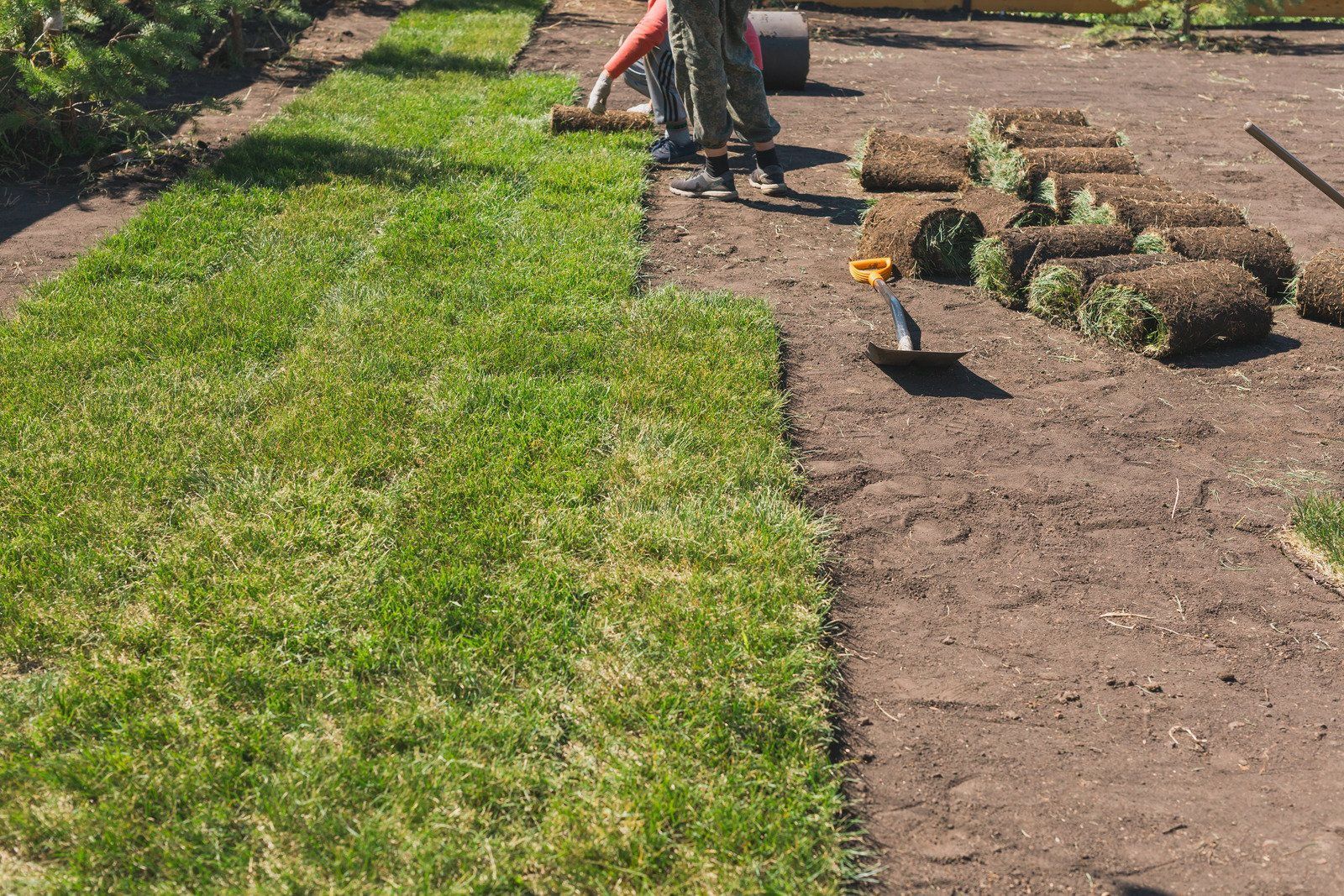
Sod installation refers to laying pre-grown grass sections over prepared soil. This method provides an immediate lawn surface with mature turf and established root systems. Once installed, sod begins rooting into the soil within a short period, offering quick usability and visual transformation. Proper soil grading and moisture preparation are critical for ensuring successful bonding between sod and the ground.
Sod is commonly used for projects requiring fast results, such as new home landscapes, commercial properties, or erosion control areas. Since grass is already developed, weed intrusion is significantly reduced during early stages. However, proper irrigation and early care remain essential to prevent drying or lifting at edges.
How Lawn Seeding Works
Lawn seeding involves planting grass seeds directly into prepared soil, allowing natural germination and growth. This process requires patience, consistent watering, and careful soil conditioning. Seeds gradually develop into grass over several weeks, forming a root system adapted to local conditions.
Seeding allows greater flexibility in selecting grass varieties suited to climate, shade, and soil type. It also enables coverage of large areas at a lower initial cost. However, early-stage vulnerability to weeds, birds, and weather fluctuations must be managed carefully for successful establishment.
Key Differences in Establishment
Sod offers instant coverage, while seeding requires a growth period before full lawn development. Sod provides immediate erosion control and usability, whereas seeding delivers gradual establishment with deeper natural rooting. Both methods can produce high-quality lawns when executed with proper techniques and maintenance discipline.
Sod Installation: Benefits, Challenges, and Ideal Use Cases
Immediate Visual Impact and Functionality
Sod installation delivers an instant green lawn, making it ideal for properties requiring a quick transformation. This benefit is especially valuable for real estate presentations, event preparation, or replacing damaged turf areas. The immediate usability reduces waiting time significantly compared to seeding.
Strong Initial Weed Resistance
Since sod is pre-grown and dense, it naturally blocks weed growth during early establishment. This gives homeowners a cleaner start with fewer invasive plant issues. The dense root mat also stabilizes soil quickly, reducing erosion risks on slopes or exposed areas.
Watering and Early Care Requirements
Although sod appears mature, it requires consistent watering during the initial weeks to establish roots in the underlying soil. Inconsistent irrigation can lead to drying or patch separation. Proper watering schedules and soil contact are critical for long-term success.
Higher Installation Costs
Sod installation generally involves higher upfront expenses due to material, transport, and labor requirements. However, the trade-off is faster results and reduced early-stage maintenance efforts. This makes it a practical option for time-sensitive projects.
Best Applications for Sod
Sod works best for high-visibility areas, commercial properties, playgrounds, and residential lawns where immediate functionality is required. It is also effective in regions with erosion concerns or uneven terrain requiring quick stabilization.
Lawn Seeding: Advantages, Limitations, and Growth Potential
Cost-Effective Lawn Establishment
Lawn seeding is significantly more affordable than sod installation, making it suitable for large properties or budget-conscious landscaping projects. Seeds cover wider areas at lower cost, allowing flexible lawn planning without major upfront investment.
Strong Root Adaptation
Grass grown from seed often develops deeper root systems since it adapts directly to native soil conditions. This can result in improved drought resistance and long-term resilience when properly maintained.
Longer Establishment Timeline
One of the main limitations of seeding is the extended growth period. Germination and full coverage may take several weeks to months, depending on grass type and environmental conditions. During this period, the lawn remains vulnerable to patchiness and uneven growth.
Weed and Weather Sensitivity
Newly seeded lawns are more exposed to weed competition and weather fluctuations. Heavy rain can displace seeds, while dry conditions may hinder germination. Consistent watering and protective measures are essential for success.
Ideal Situations for Seeding
Seeding is best suited for large open spaces, renovation projects, and long-term landscaping plans where time is not a limiting factor. It also allows selection of specific grass varieties tailored to soil and climate preferences.
Cost, Maintenance, and Time Comparison
Installation Costs and Budget Planning
Sod installation typically involves a higher initial investment due to production, transportation, and labor costs. In contrast, lawn seeding offers a budget-friendly alternative with minimal material expense. However, long-term maintenance costs should also be considered when evaluating total value.
Time to Full Lawn Establishment
Sod provides immediate coverage, allowing usable lawn conditions within days. Lawn seeding requires a longer establishment phase, often ranging from several weeks to a few months before achieving full density. Time availability becomes a key decision factor.
Maintenance Requirements
Sod requires intensive watering initially but stabilizes faster once rooted. Seeding demands consistent care over a longer duration, including frequent irrigation, weed control, and protection from foot traffic. Maintenance commitment is higher during early growth stages for seeded lawns.
Durability and Longevity
Both methods can produce durable lawns when properly maintained. Sod offers quicker stabilization, while seeded lawns may achieve deeper long-term adaptability due to natural root development. Soil preparation quality plays a critical role in both outcomes.
Practical Decision Balance
Choosing between sod and seeding depends on balancing cost, time, and maintenance expectations. Immediate results favor sod, while long-term flexibility and affordability favor seeding. Property conditions and usage goals should guide final selection.
Climate, Soil Conditions, and Best Practice Considerations
Climate Influence on Lawn Choice
Warm climates often support both sod and seeding, but timing plays a major role. Cool-season grasses perform better in moderate temperatures, while warm-season varieties thrive in heat. Seasonal planning ensures higher success rates for both methods.
Soil Preparation Importance
Proper soil grading, aeration, and nutrient balance are essential regardless of installation method. Poor soil preparation can lead to weak growth, uneven coverage, or long-term lawn instability. Testing the soil before installation improves results significantly.
Irrigation Strategy
Consistent watering is critical during early establishment stages. Sod requires frequent watering for root bonding, while seeded lawns need light, regular irrigation to support germination without displacement.
Sunlight and Shade Conditions
Grass selection must align with sunlight exposure. Shade-heavy areas may require specialized grass types, while full-sun lawns need drought-tolerant varieties. Matching grass type to the environment improves sustainability.
Expert Landscaping Practices
Successful lawn establishment relies on timing, soil conditioning, and selecting the right method based on project goals. Combining proper installation with ongoing maintenance ensures long-lasting lawn health and visual appeal.
Expert Guidance for Choosing Ideal Lawn Establishment Methods
Sod installation and lawn seeding both offer effective pathways to achieving a healthy lawn, yet each serves different priorities. Sod delivers instant transformation with reduced early weed risk, while seeding provides cost efficiency and deeper root adaptation over time. The right choice depends on budget, timeline, and long-term maintenance expectations. Environmental conditions, soil quality, and intended lawn usage further influence which method performs best in a given setting.
Careful evaluation of these factors ensures stronger turf development and lasting outdoor value. A well-planned lawn strategy not only improves visual appeal but also enhances property functionality and sustainability. Selecting the correct approach creates a foundation for long-term landscape success rather than short-term appearance alone.
J Christie Landscape
is a trusted name in professional landscaping, supported by 14
years of practical field experience serving Litchfield Park and Goodyear, Arizona. We focus on delivering reliable lawn solutions tailored to regional soil and climate conditions. Our approach emphasizes precision in installation, long-term turf health, and sustainable landscape practices. We take pride in helping property owners achieve durable, visually appealing lawns through proven methods and careful planning. Our commitment to quality workmanship ensures each project receives detailed attention from preparation to completion. We continue to support residential and commercial clients with dependable landscaping solutions designed for lasting outdoor performance.