Irrigation System Installation: What Homeowners Should Know Before Starting
December 26, 2025
For homeowners, maintaining a lush, healthy landscape goes beyond regular watering and lawn care—it often requires a well-designed irrigation system. Efficient irrigation systems not only conserve water but also enhance the longevity and appearance of your landscape, ensuring that lawns, gardens, and plantings receive consistent and adequate hydration. Yet, installing an irrigation system is far more complex than simply laying pipes and sprinklers. Homeowners need to consider factors such as soil type, water pressure, landscape design, and local regulations before starting any installation. Understanding these elements is crucial to creating a system that is both effective and cost-efficient.
A poorly planned irrigation system can lead to overwatering, water wastage, increased utility costs, and even damage to plants or hardscape elements. Conversely, a strategically designed system delivers water precisely where it’s needed, promoting healthier plants, conserving resources, and reducing long-term maintenance. This blog will guide homeowners through the essential considerations before installing an irrigation system, offering expert advice on design, equipment selection, installation processes, and ongoing maintenance. By following these insights, homeowners can make informed decisions that maximize the benefits of an irrigation system while avoiding common pitfalls.
1. Planning Your Irrigation System – The Foundation of Success
Assessing Your Landscape Needs
Before any pipes are laid, it’s vital to carefully evaluate the unique needs of your property. Consider the types of plants, the overall size of your lawn, and the specific zones that require varying amounts of water. For instance, flower beds and vegetable gardens typically need more precise and consistent watering than larger grass lawns. Conducting a thorough site survey allows homeowners to identify sun and shade areas, slopes, soil conditions, and existing drainage patterns, all of which significantly influence irrigation efficiency and system performance.
Setting Goals and Budget
Homeowners should define clear, actionable objectives for their irrigation system. Are you looking primarily to save water, maintain a pristine and attractive lawn, or automate watering for maximum convenience? Setting these goals early helps determine system complexity, including whether you need drip irrigation for plants or pop-up sprinklers for grass areas. Additionally, establishing a realistic budget is essential; quality systems involve an initial investment but deliver significant long-term savings in both water usage and overall maintenance costs.
Real-World Scenario
Imagine a homeowner with a mixed landscape of grass, shrubs, and a thriving vegetable garden. Without proper planning, installing a one-size-fits-all sprinkler system could overwater some plants while leaving other areas dry and stressed. A thoughtful assessment and zoning plan ensures that each area receives appropriate irrigation, preventing plant stress, reducing water waste, and protecting the overall health and aesthetics of the property.
2. Choosing the Right Irrigation System
Types of Irrigation Systems
Homeowners must carefully select the system that best aligns with their landscape and overall watering goals. The main types include:
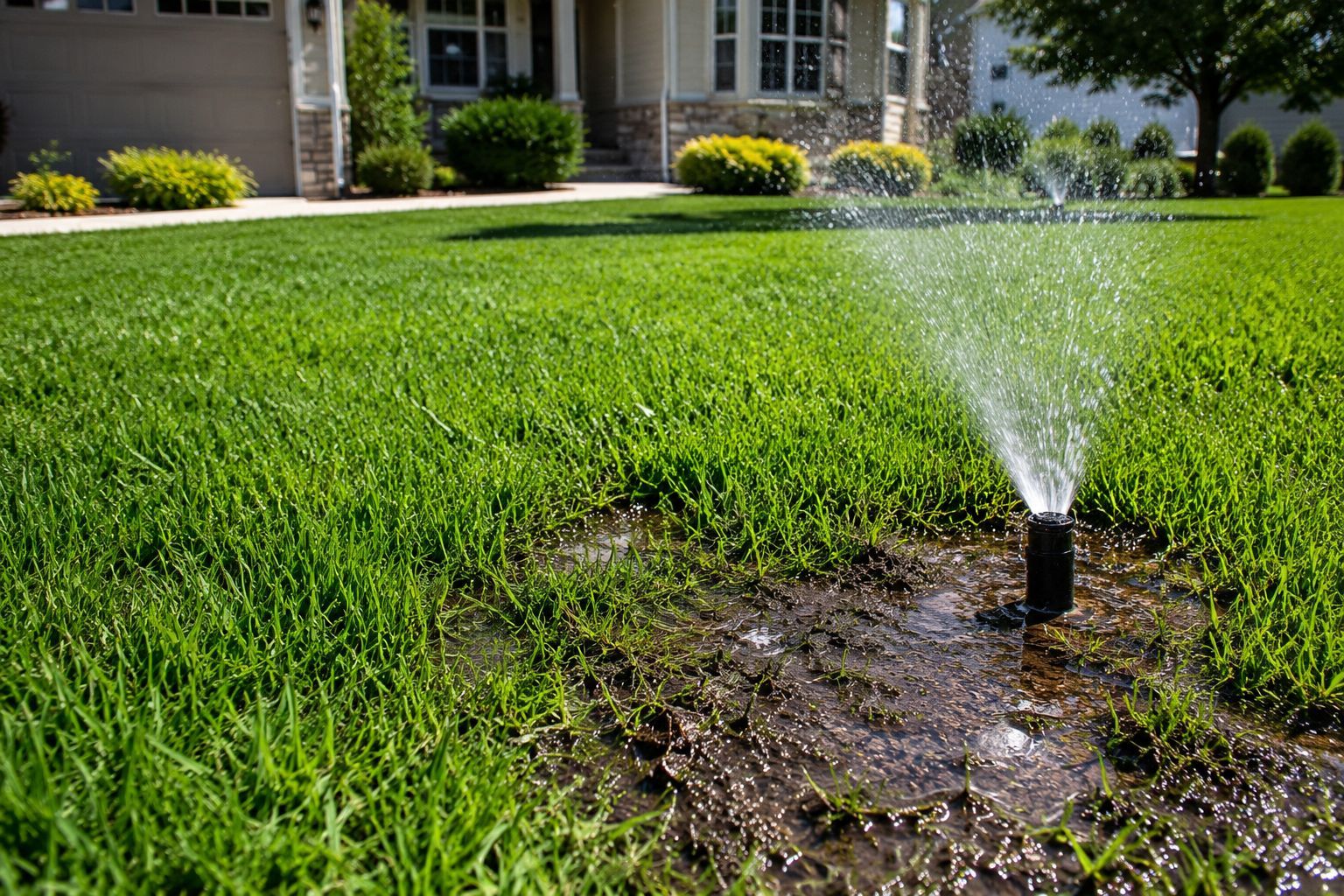
- Sprinkler Systems: Ideal for lawns and large open areas; can be pop-up or rotary heads for maximum coverage.
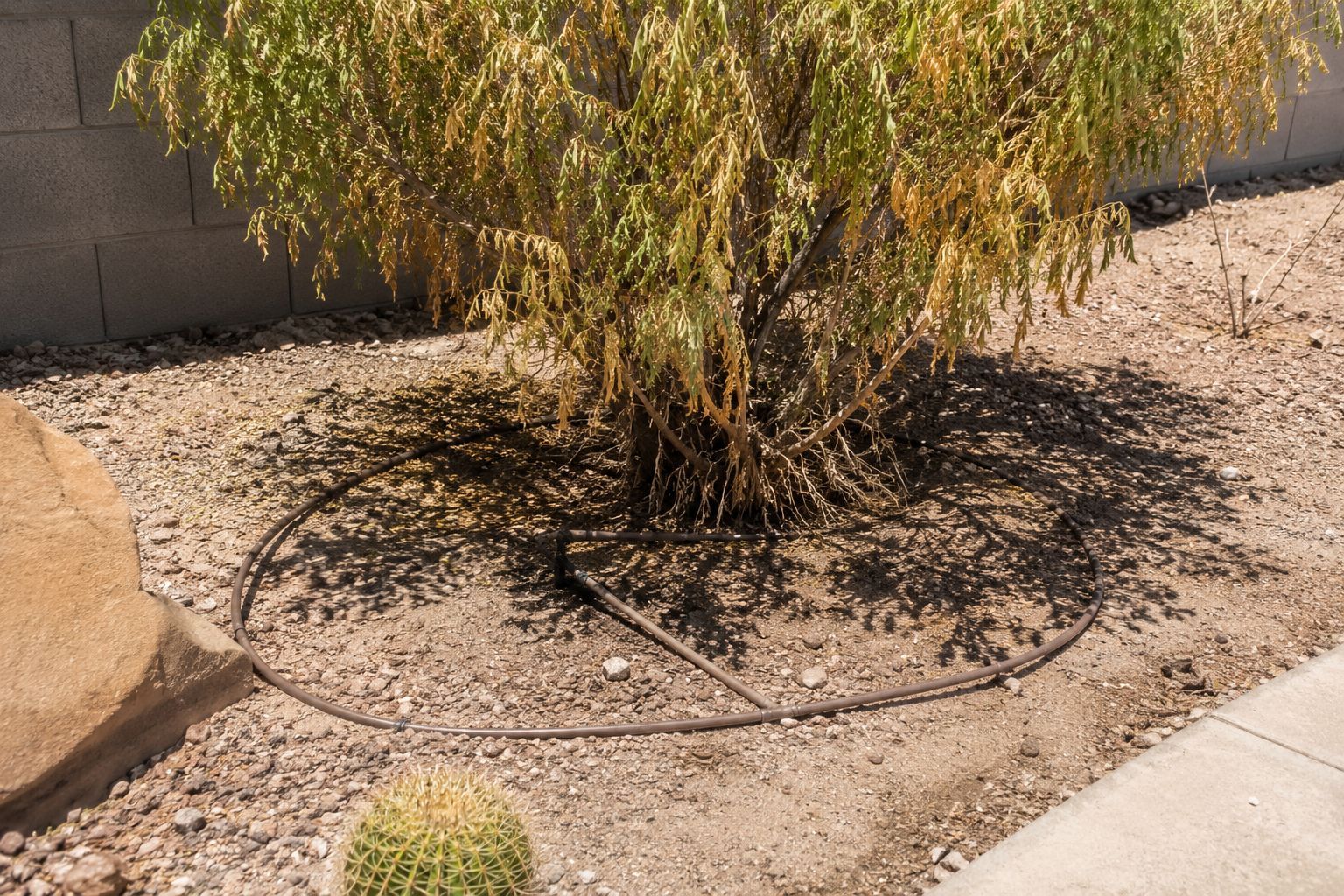
- Drip Irrigation: Best suited for flower beds, vegetable gardens, and shrubs, delivering water directly to plant roots efficiently.
- Soaker Hoses: Cost-effective for small gardens, providing gentle water seepage along the entire length of the hose.
Pros and Cons of Each System
Sprinkler systems provide wide coverage over open areas but may occasionally lead to water runoff or evaporation losses. Drip irrigation conserves water efficiently but requires careful placement and regular maintenance to function optimally. Understanding these trade-offs allows homeowners to choose a system that balances irrigation efficiency, upfront costs, and long-term landscape needs effectively.
Expert Tip
Combining different irrigation systems is often the most effective approach for diverse landscapes. For example, using drip irrigation for gardens and shrubs while employing sprinklers for lawns ensures optimal water distribution, efficiency, and overall plant health.
3. Equipment Selection and Installation Essentials
Core Components
An effective irrigation system relies on high-quality, durable equipment. Key components include:
- Pipes and Fittings: PVC or polyethylene pipes are commonly used; selecting the right diameter ensures adequate water flow and consistent pressure.
- Sprinkler Heads and Emitters: Choice depends on the coverage requirements and desired water distribution patterns across the landscape.
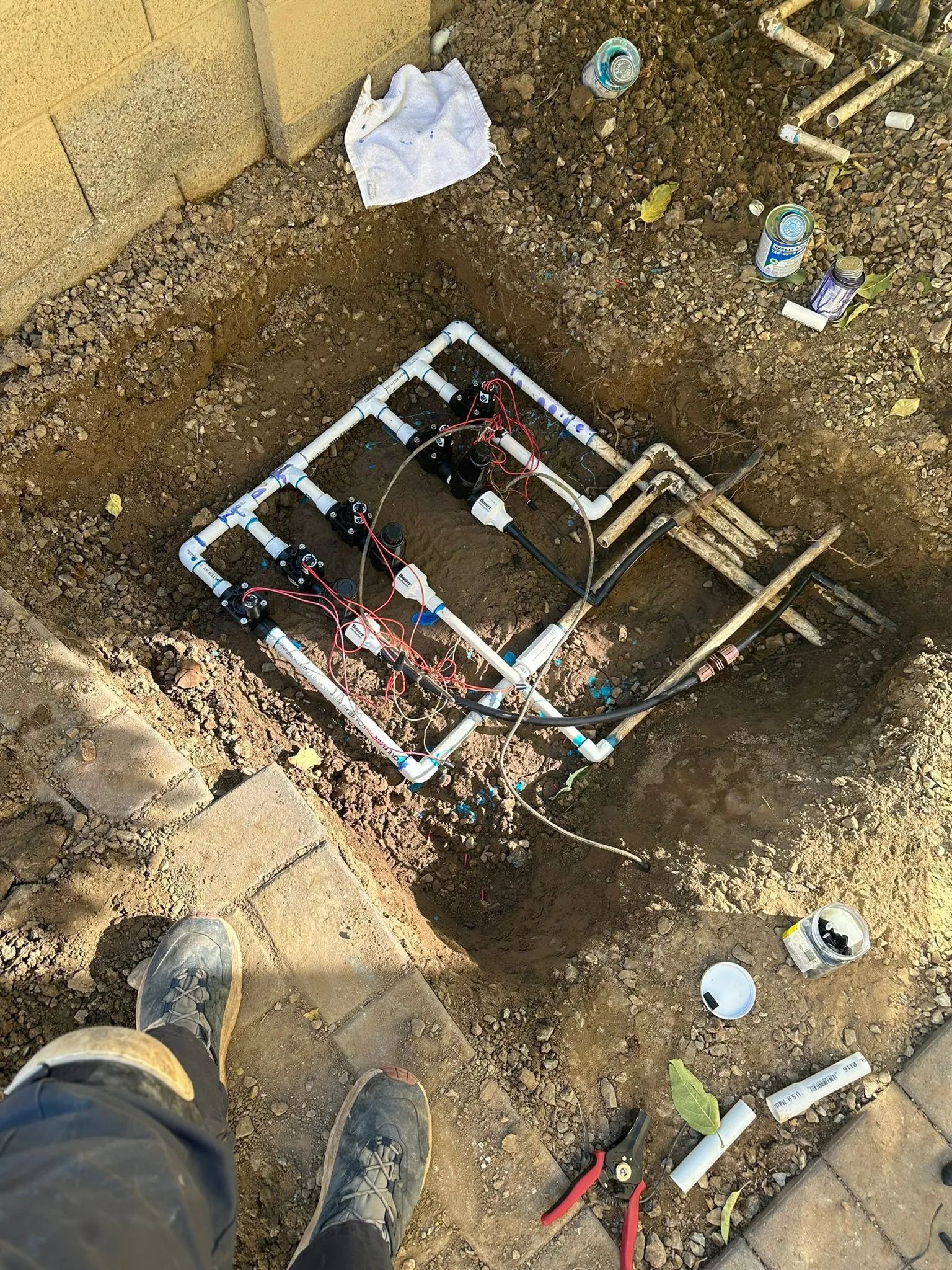
- Valves and Controllers: Automatic controllers, timers, and zone valves improve system efficiency and homeowner convenience.
- Backflow Preventers: Essential devices to prevent contamination of the main water supply and ensure safe irrigation.
Installation Best Practices
Correct installation requires careful trenching, proper pipe slope for drainage, and secure fitting of sprinkler heads to prevent leaks. Ensuring that valves and controllers remain easily accessible simplifies future adjustments, troubleshooting, and routine maintenance for the homeowner.
Real-Life Consideration
A common homeowner mistake is underestimating water pressure requirements. Installing too many sprinklers on a single zone can reduce output, leaving some areas dry or unevenly watered. Proper calculation of flow rates and precise zoning helps avoid this issue, ensuring consistent irrigation coverage and healthier plant growth throughout the property.
4. Water Conservation and Efficiency
Smart Irrigation Strategies
Modern irrigation systems increasingly incorporate technology to reduce water usage without compromising plant health. Smart controllers, rain sensors, and soil moisture sensors automatically adjust watering schedules based on real-time weather and soil conditions. This approach not only conserves water but also lowers utility bills and actively supports sustainable landscaping practices in every season.
Benefits of Efficient Watering
- Reduces water waste by targeting only necessary areas efficiently.
- Prevents overwatering, which can lead to root rot and fungal growth over time.
- Promotes healthier plants with deeper root development and stronger overall resilience.
Case Example
A homeowner in a region with hot, dry summers might install a sensor-based irrigation system. The system accurately detects rainfall and soil moisture levels, automatically adjusting watering schedules accordingly. This ensures plants remain adequately hydrated without unnecessary water usage, demonstrating both ecological responsibility and financial savings for the property owner.
5. Common Challenges and How to Avoid Them
Dealing with Soil and Terrain Issues
Different soil types absorb water at different rates. Sandy soils drain quickly, requiring more frequent watering, while clay soils retain water longer. Sloped areas may experience runoff if sprinklers are improperly positioned or if zones are not adjusted carefully. Homeowners must account for these factors during system design to ensure uniform irrigation distribution across the landscape.
Avoiding DIY Pitfalls
While DIY installation may seem cost-saving, small errors can lead to inefficient watering and costly repairs. Professional guidance ensures proper zoning, precise pressure calculation, and correct equipment placement, reducing long-term problems and increasing system longevity.
Maintenance Considerations
Regular maintenance is essential to extend the lifespan and performance of your irrigation system. Key tasks include:
- Inspecting for leaks and broken or misaligned sprinkler heads.
- Cleaning filters and emitters to prevent clogs and uneven watering.
- Adjusting sprinkler heads to prevent overspray onto hardscape surfaces.
- Winterizing the system in colder climates to prevent pipe freezing and damage.
6. Maximizing the Value of Your Irrigation System
Enhancing Property Aesthetics
A well-planned irrigation system supports vibrant, healthy lawns, thriving shrubs, and flourishing gardens. Homeowners benefit from increased curb appeal, which enhances property value and creates a welcoming and visually appealing outdoor environment for family, friends, and visitors alike.
Integrating Automation and Smart Features
Automation adds convenience by allowing homeowners to control watering schedules remotely and adjust irrigation in response to changing environmental conditions. Smart integration further optimizes efficiency, saving both water and valuable time while reducing the need for manual intervention.
Real-World Impact
Consider a family with a busy schedule and limited time for manual lawn care. Automating their irrigation system ensures that the lawn remains consistently green and plants thrive without daily attention. The result is a healthier landscape, reduced stress, and a significant improvement in overall outdoor living quality, highlighting the practical advantages of investing in a modern irrigation system.
Installing an irrigation system requires careful planning, thoughtful equipment selection, and consideration of water conservation strategies. By assessing landscape needs, choosing the appropriate system, understanding soil and terrain challenges, and implementing maintenance routines, homeowners can create efficient, long-lasting irrigation solutions that enhance both property beauty and functionality. Thoughtful design not only reduces water waste and maintenance costs but also supports healthier plants and a more sustainable outdoor environment.
Why J Christie Landscape is Your Trusted Partner
For homeowners in Litchfield Park and Goodyear, Arizona, relying on an experienced landscaping professional ensures the best results. J Christie Landscape has 14 years of expertise in designing and installing irrigation systems that meet the unique needs of Arizona’s climate and terrain. Our team prioritizes efficiency, sustainability, and long-term reliability, combining high-quality equipment with expert knowledge to deliver irrigation solutions tailored to your landscape.
From initial consultation to system installation and ongoing maintenance, we provide comprehensive support, helping homeowners achieve lush, thriving landscapes with minimal effort. Our experience ensures precise planning, accurate zoning, and proper equipment selection, avoiding the common pitfalls many homeowners encounter with DIY installation. By choosing us, you gain a trusted partner committed to quality, efficiency, and professional service. Whether your goal is water conservation, automated convenience, or simply a healthier lawn, our team provides the expertise and guidance to transform your outdoor space into a beautifully irrigated landscape.