Weed Control Solutions That Keep Lawns Healthy Year-Round
January 19, 2026

A lush, green lawn is more than just an aesthetic feature—it serves as a testament to proper care, a welcoming space for family and friends, and a healthy ecosystem that supports local biodiversity. However, achieving and maintaining a vibrant lawn requires more than regular mowing and watering. One of the most persistent challenges homeowners face is weed invasion. Weeds not only disrupt the visual appeal of your lawn but also compete with grass for vital nutrients, water, and sunlight. Left unmanaged, they can weaken the grass, create patchy areas, and even harbor pests that threaten the broader garden ecosystem.
Effective weed control is not a one-time effort but a year-round commitment that requires understanding the types of weeds, their growth patterns, and the most suitable control strategies. From pre-emergent treatments that prevent seeds from germinating to targeted post-emergent solutions that eliminate established weeds, homeowners must adopt a comprehensive approach. Integrating cultural, mechanical, and chemical methods can keep lawns healthy while minimizing environmental impact. This guide explores proven strategies, expert insights, and practical tips that ensure your lawn remains resilient, thriving, and weed-free throughout every season.
Understanding the Types of Weeds
Broadleaf vs. Grass-Like Weeds
Weeds can generally be classified into broadleaf and grass-like categories, each requiring different management approaches. Broadleaf weeds, such as dandelions, clover, and chickweed, have wider leaves and typically grow faster than grass. They spread quickly through seeds and root systems, making them particularly challenging to control. Grass-like weeds, including crabgrass, quackgrass, and nutsedge, resemble lawn grass but often outcompete it for nutrients and water. Recognizing the type of weed invading your lawn is the first step in selecting the right control method.
Seasonal Weed Patterns
Weeds also differ based on their seasonal growth habits. Summer annual weeds thrive in warmer months and complete their life cycle within a single season, whereas winter annuals germinate in the fall, survive the winter, and produce seeds in spring. Perennial weeds persist year after year, often regenerating from roots or rhizomes, making them more difficult to eradicate. Understanding the seasonal behavior of weeds enables homeowners to time interventions effectively, whether applying pre-emergent herbicides before seed germination or spot-treating established weeds in their active growth phase.
The Impact of Weeds on Lawn Health
Weeds are not just cosmetic nuisances; they actively compete with turfgrass for essential resources. Dense weed infestations can reduce grass vigor, leading to thin, patchy lawns vulnerable to drought, disease, and insect damage. Moreover, some weeds serve as hosts for pests and diseases, further compromising lawn health. Recognizing the full impact of weeds reinforces the importance of proactive, year-round weed management.
Cultural Practices for Weed Prevention
Proper Mowing Techniques
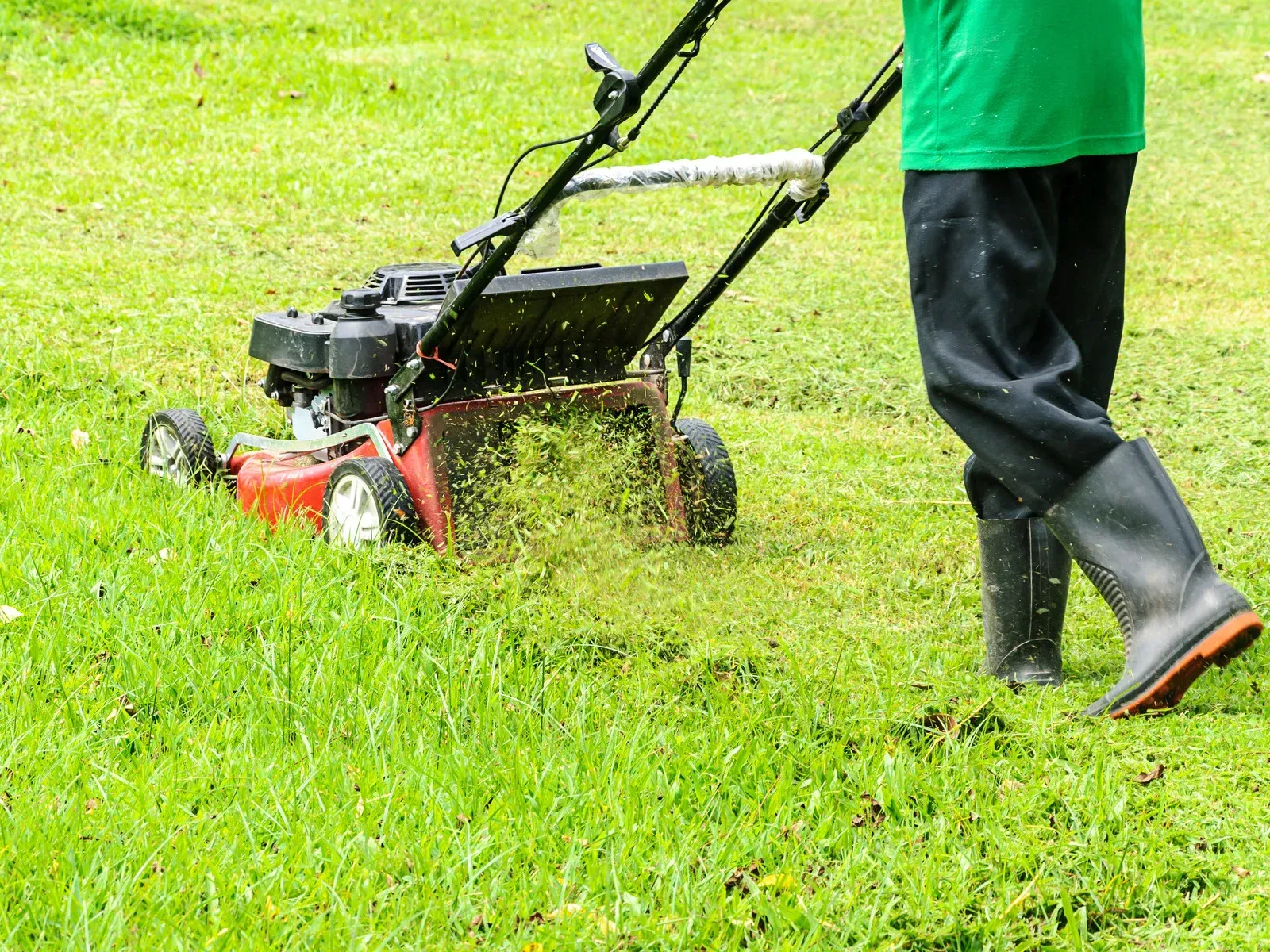
One of the simplest yet most effective methods of preventing weeds is maintaining proper mowing practices. Cutting grass too short can stress turf, weaken roots, and allow sunlight to reach weed seeds, encouraging germination. Aim to mow at the recommended height for your grass type, typically between 2.5 to 3.5 inches for most warm-season grasses. Regular mowing also prevents weeds from flowering and producing seeds, limiting future infestations.
Fertilization and Soil Health
Healthy, nutrient-rich soil supports dense turf that naturally resists weed invasion. Soil testing helps determine nutrient deficiencies, pH imbalances, and organic matter content. Applying fertilizer based on soil test results ensures grass receives the necessary nutrients, promoting robust growth. Healthy lawns with thick canopies outcompete weeds, reducing the need for chemical interventions.
Irrigation Strategies
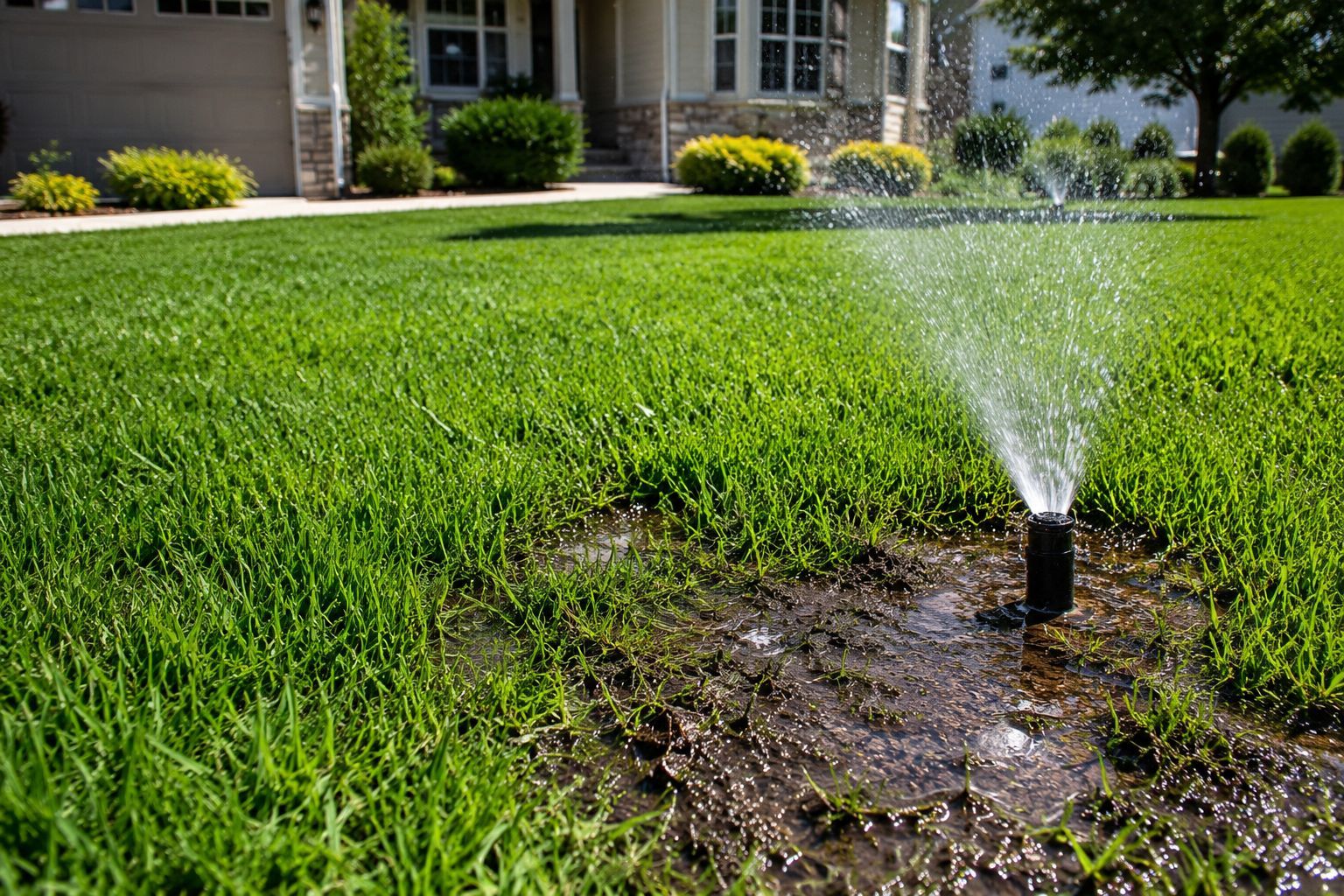
Proper watering practices also play a key role in weed prevention. Deep, infrequent watering encourages strong root development in grass, making it more resilient against weeds. Conversely, shallow, frequent watering creates ideal conditions for weed seeds to germinate near the soil surface. Adjusting irrigation schedules according to seasonal weather patterns ensures turfgrass remains vigorous and less susceptible to weed encroachment.
Aeration and Thatch Management
Aerating the lawn relieves soil compaction, allowing roots to penetrate deeper and access nutrients and water efficiently. Thatch management, which involves removing excess organic debris that accumulates between grass blades and soil, also prevents weed seeds from taking root. Together, aeration and dethatching strengthen grass while reducing the opportunities for weed establishment.
Mechanical and Manual Weed Control
Hand Pulling and Spot Treatments
For small lawns or isolated weed patches, hand-pulling can be highly effective. It’s crucial to remove the entire root system to prevent regrowth. This method is particularly effective for broadleaf weeds with deep taproots. Spot treatments with selective herbicides can complement manual removal, targeting stubborn weeds without harming surrounding turf.
Mowing and Mulching Techniques
Regular mowing helps manage weeds by removing flower heads before they can set seed. In garden beds and landscaped areas, using organic mulch suppresses weed growth by blocking sunlight while retaining soil moisture. Mulching with wood chips, bark, or straw also adds nutrients as it decomposes, improving overall soil health and promoting strong turf growth.
Weed Barriers and Physical Control
Installing physical barriers such as landscape fabrics, edging, or gravel beds can prevent weed encroachment in garden areas and along borders. These barriers are particularly effective against perennial weeds that spread through underground rhizomes or stolons. While not suitable for entire lawns, physical barriers provide an additional layer of protection in targeted zones.
Chemical Weed Control Solutions
Pre-Emergent Herbicides
Pre-emergent herbicides prevent weed seeds from germinating, making them a critical tool for controlling annual weeds. Applying these products at the correct time—typically in early spring or late summer, depending on the weed type—reduces the overall weed population. Homeowners should read product labels carefully to select the correct formulation for their grass type and local climate.
Post-Emergent Herbicides
Post-emergent herbicides target actively growing weeds, providing a solution for established infestations. Selective herbicides attack specific weed species without harming surrounding turf, while non-selective options eliminate all vegetation in treated areas. Accurate identification of weeds and careful application ensures effective control while minimizing damage to desired grass.
Integrated Pest Management (IPM) Approach
Combining chemical solutions with cultural and mechanical methods creates a sustainable, effective weed management plan. IPM emphasizes targeted herbicide use, timed applications, and continuous monitoring. By integrating multiple strategies, homeowners reduce chemical reliance, prevent resistance, and maintain a healthy, resilient lawn year-round.
Organic and Eco-Friendly Weed Control Options
Corn Gluten Meal and Natural Pre-Emergents
For environmentally conscious homeowners, corn gluten meal offers a natural pre-emergent solution. It inhibits weed seed germination while adding nitrogen to the soil, promoting turf health. While results may vary depending on application timing and environmental conditions, this method provides a non-toxic alternative to synthetic herbicides.
Vinegar-Based and Homemade Solutions
Vinegar-based sprays or other homemade remedies can target weeds in smaller areas, particularly on driveways, walkways, or garden beds. These solutions are most effective on young weeds and require careful application to prevent damage to surrounding plants. Repeated applications may be necessary for perennial weeds.
Promoting Biodiversity and Beneficial Plants
Encouraging ground covers, clover patches, or other low-growing plants can reduce space available for invasive weeds. This ecological approach enhances soil health, attracts beneficial insects, and minimizes chemical interventions. Homeowners can combine biodiversity strategies with selective mowing and fertilization to create a self-sustaining lawn ecosystem.
Best Practices for Year-Round Weed Control
Seasonal Maintenance Schedule
Creating a seasonal lawn care calendar ensures timely interventions. Spring focuses on pre-emergent applications, soil testing, and early fertilization. Summer emphasizes irrigation, mowing, and post-emergent treatments for active weeds. Fall involves overseeding, aeration, and addressing perennial weeds, while winter includes planning, monitoring, and preparing for the upcoming season.
Monitoring and Early Detection
Regular inspection of lawns for early signs of weed growth allows for prompt action. Identifying weeds before they spread reduces the intensity of required treatments and minimizes turf damage. Homeowners can keep detailed records of weed types, treatment dates, and effectiveness to refine future strategies.
Professional Lawn Care Assistance
For complex lawns or persistent weed problems, professional assistance can make a significant difference. Experts provide precise identification, targeted herbicide applications, and comprehensive lawn management plans. Partnering with a trusted lawn care provider ensures optimal results, minimizes trial-and-error mistakes, and promotes long-term lawn health.
Record-Keeping and Adjustments
Documenting all interventions, including fertilizers, herbicides, and cultural practices, helps identify patterns and improve efficiency. Adjusting methods based on seasonal performance and environmental conditions enhances long-term weed management outcomes. Continuous evaluation ensures lawns remain resilient, healthy, and aesthetically appealing throughout the year.
Expert Recommendations for Sustainable, Weed-Free Lawns
Maintaining a healthy, weed-free lawn requires more than sporadic attention—it demands a strategic, year-round approach that integrates cultural, mechanical, chemical, and organic solutions. Understanding weed types, their seasonal patterns, and the impact on turf health is critical for choosing the most effective interventions. By combining proper mowing, fertilization, irrigation, aeration, and targeted weed control methods, homeowners can foster resilient lawns that resist invasions naturally. Whether employing pre- or post-emergent herbicides, manual removal, or eco-friendly alternatives, proactive management ensures lush, uniform grass while minimizing environmental impact.
For homeowners in Litchfield Park and Goodyear, Arizona, J Christie Landscape
offers 14
years of expertise in professional lawn care and weed management. Our team specializes in comprehensive solutions tailored to local climates, soil conditions, and turf varieties. With a commitment to sustainable practices, precise applications, and personalized guidance, J Christie Landscape
ensures your lawn remains healthy, vibrant, and weed-free throughout the year. Trust our experience to transform your outdoor spaces into thriving, aesthetically pleasing landscapes that endure every season.